Ranching in the Aysen Region started in the 1890s, when Chilean and European settlers pushed sheep flocks across the eastern steppe toward Lago General Carrera and the Rio Baker valley. Today the livestock census registers roughly 380,000 head of cattle and 300,000 head of sheep across the region, distributed across a few thousand predios ganaderos (livestock fields). For foreign buyers searching Patagonia ranches for sale, Aysen is the most accessible of Chile's Patagonian regions with clean title registration, UF-indexed pricing, and a working ranching culture still visible on the ground.
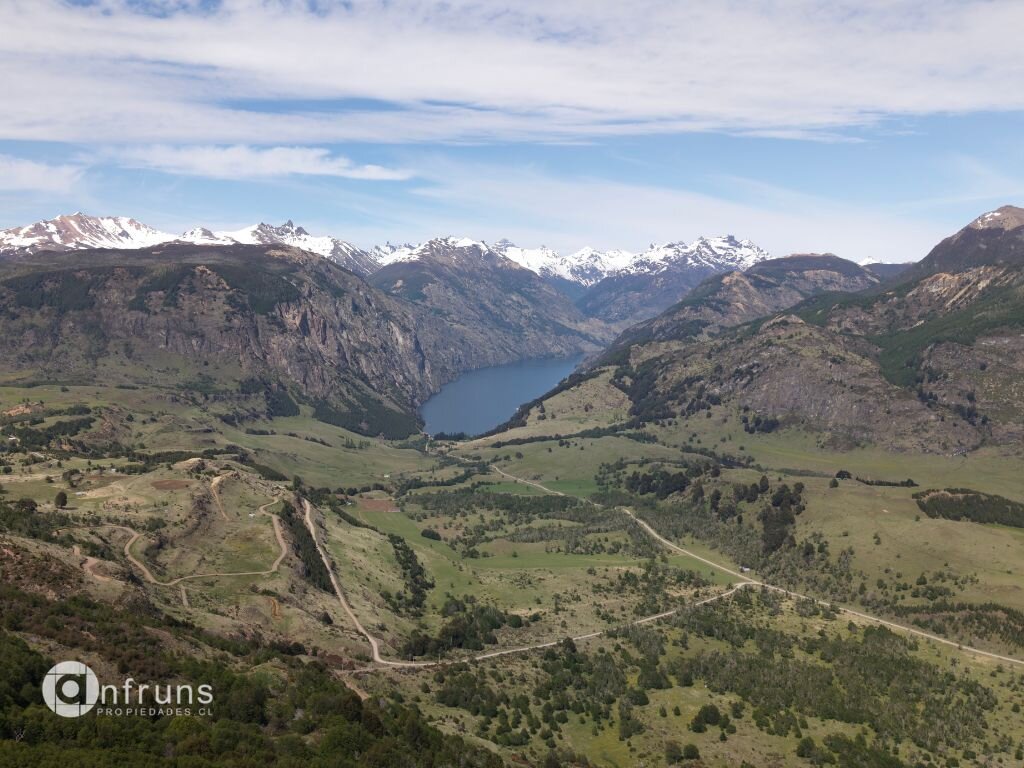
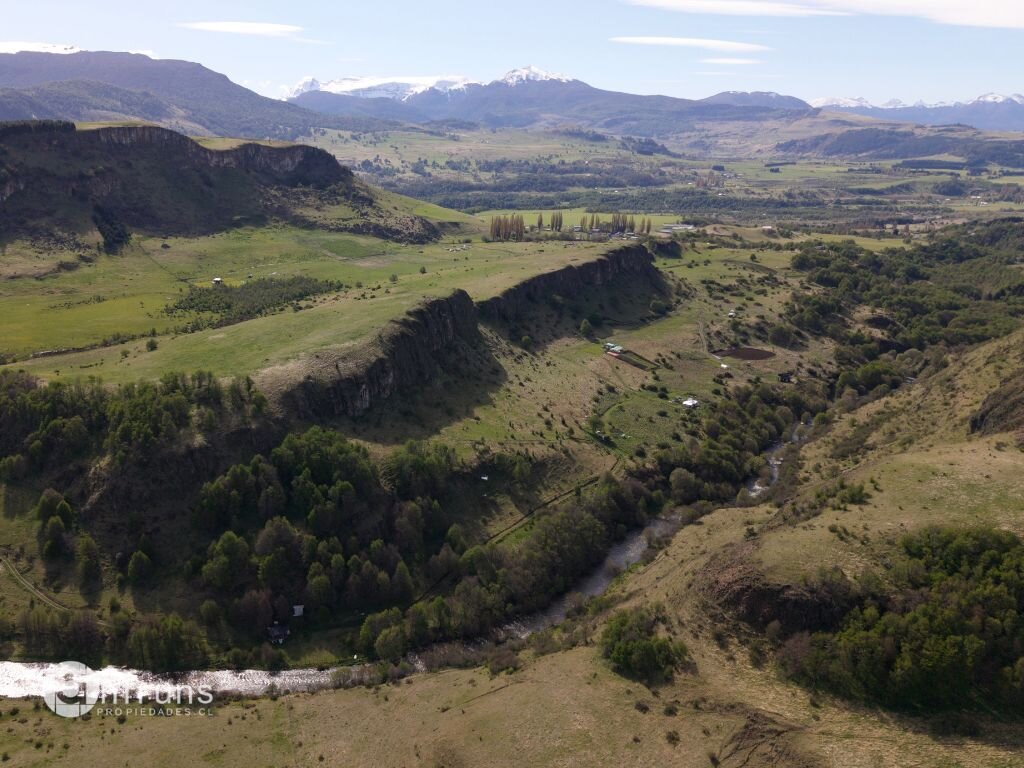
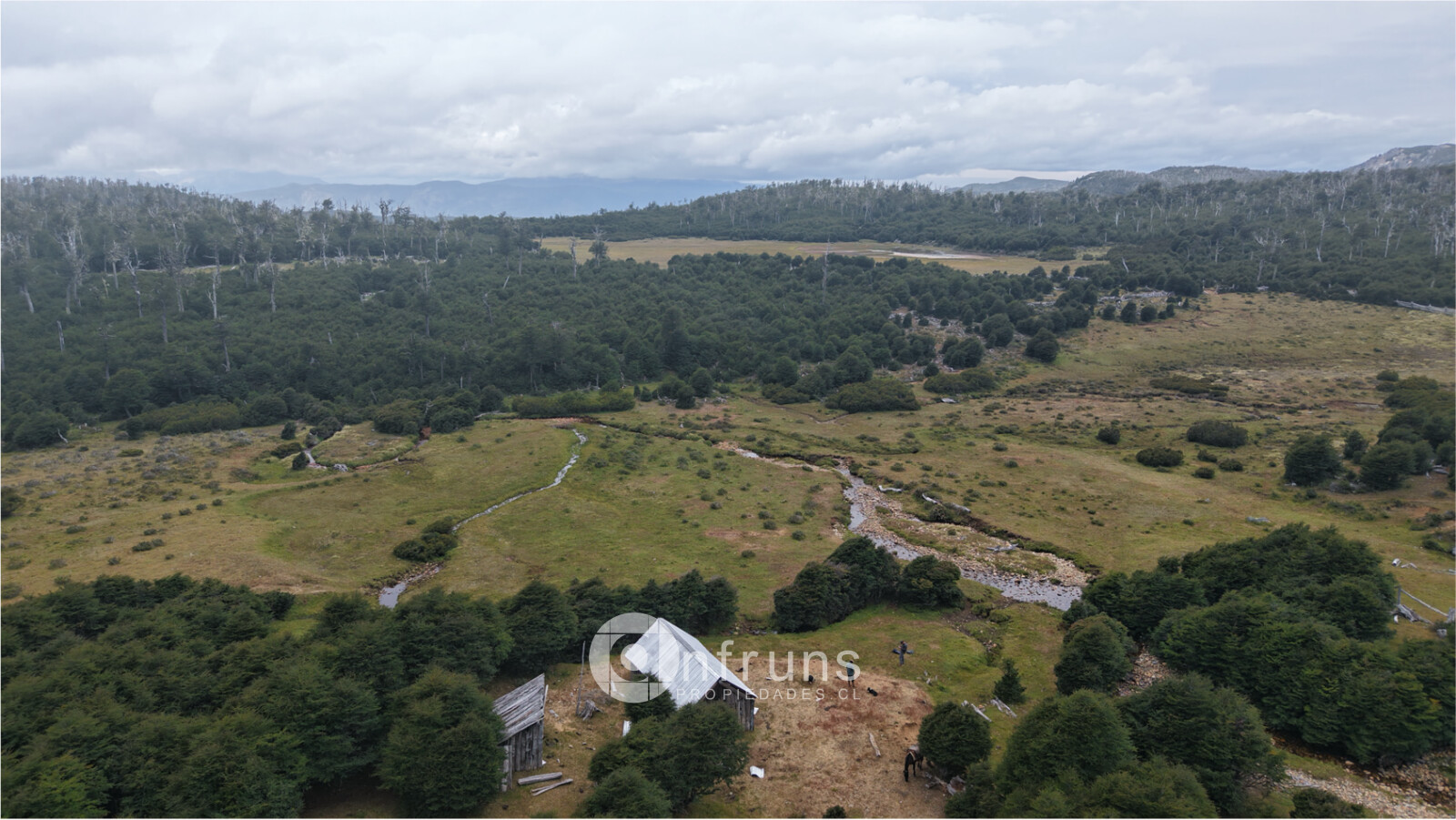
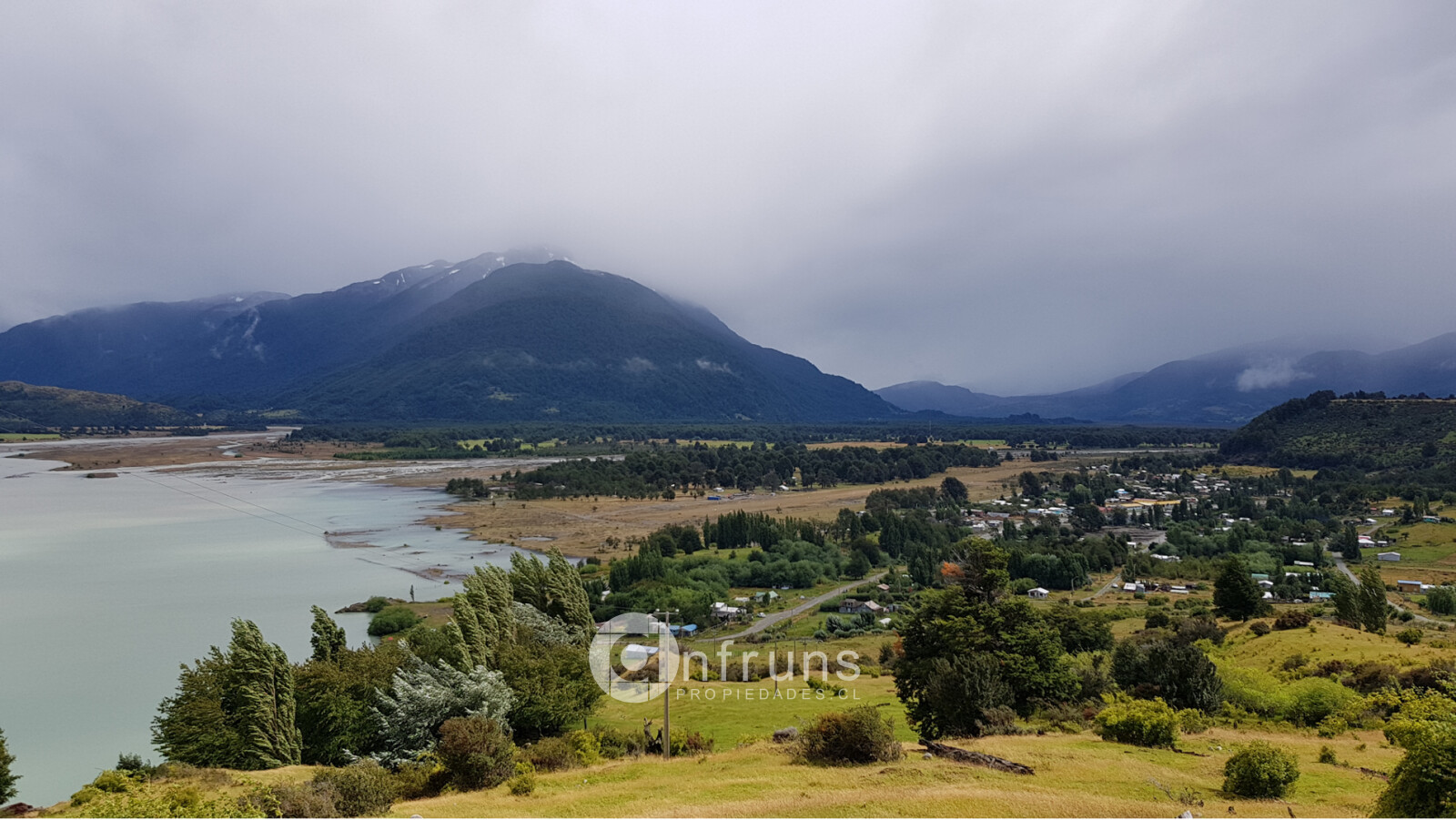
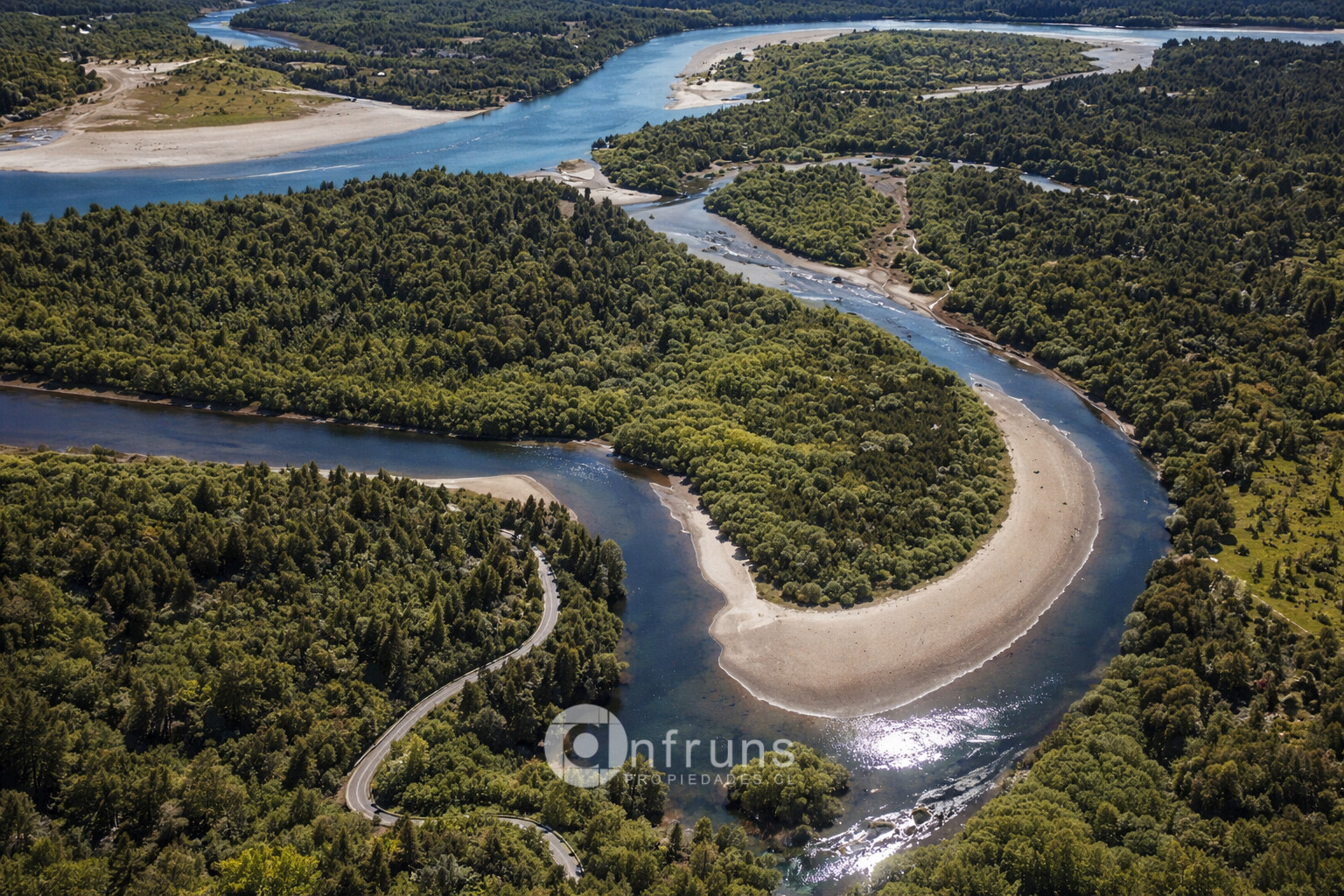
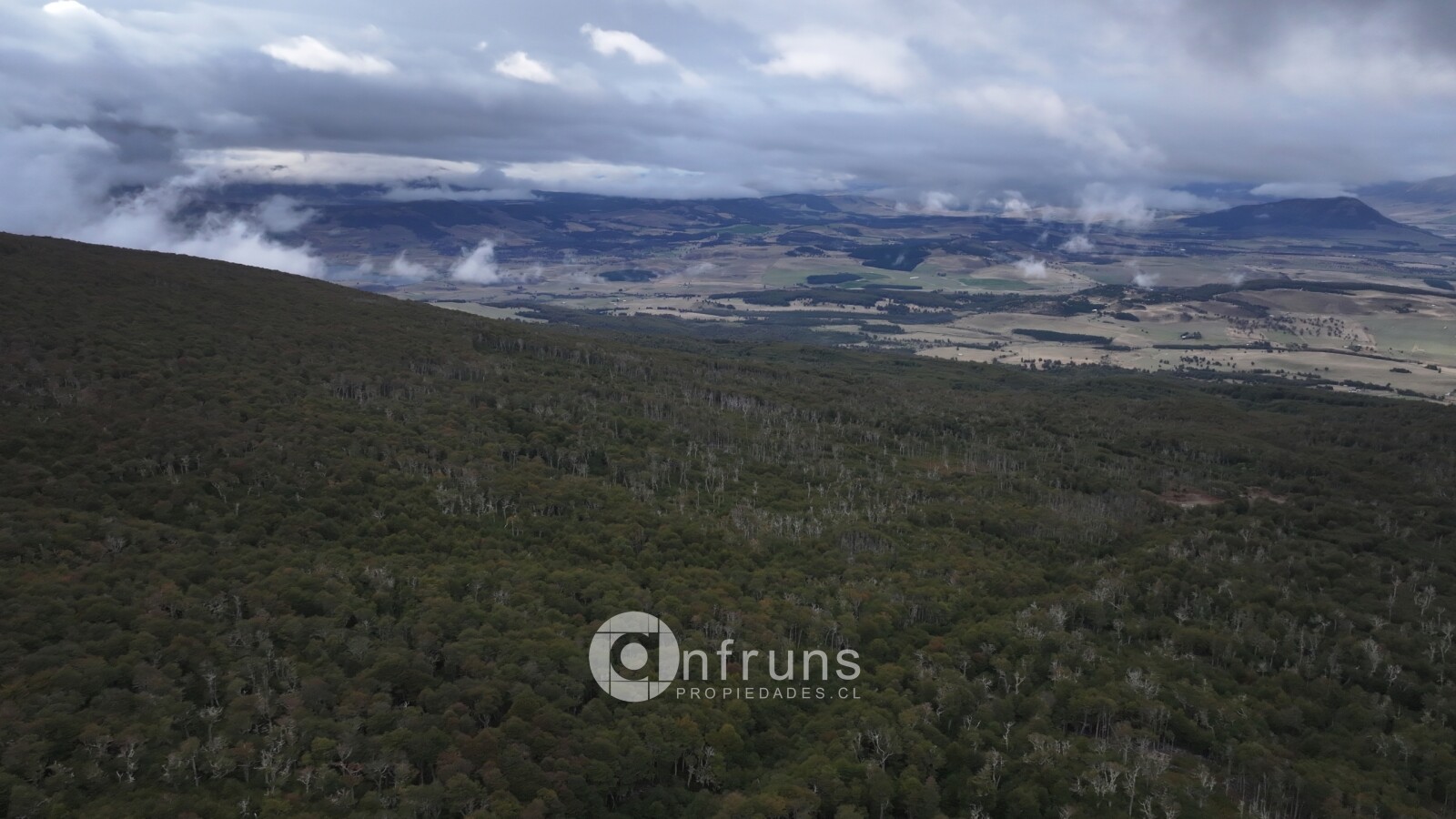
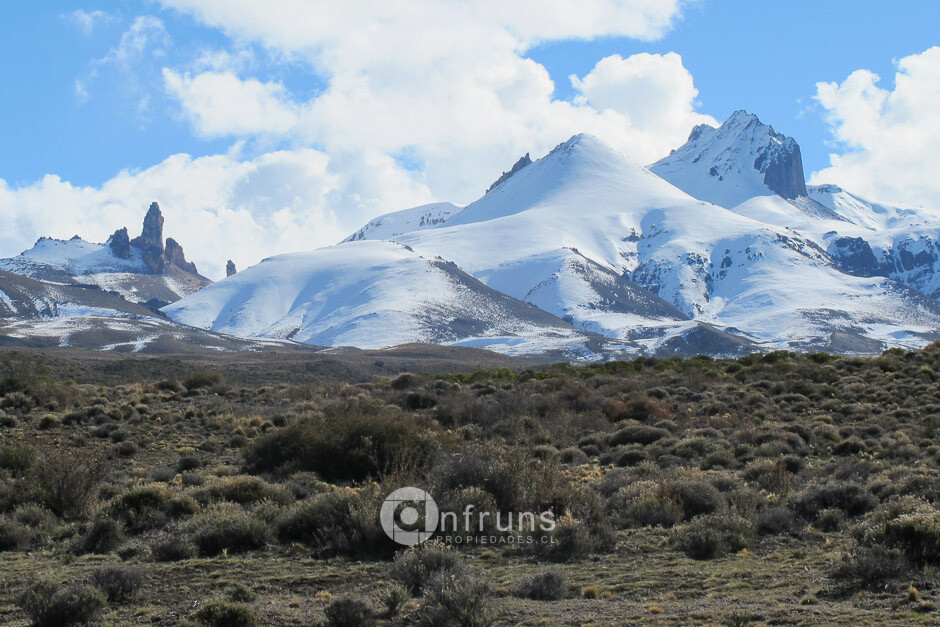
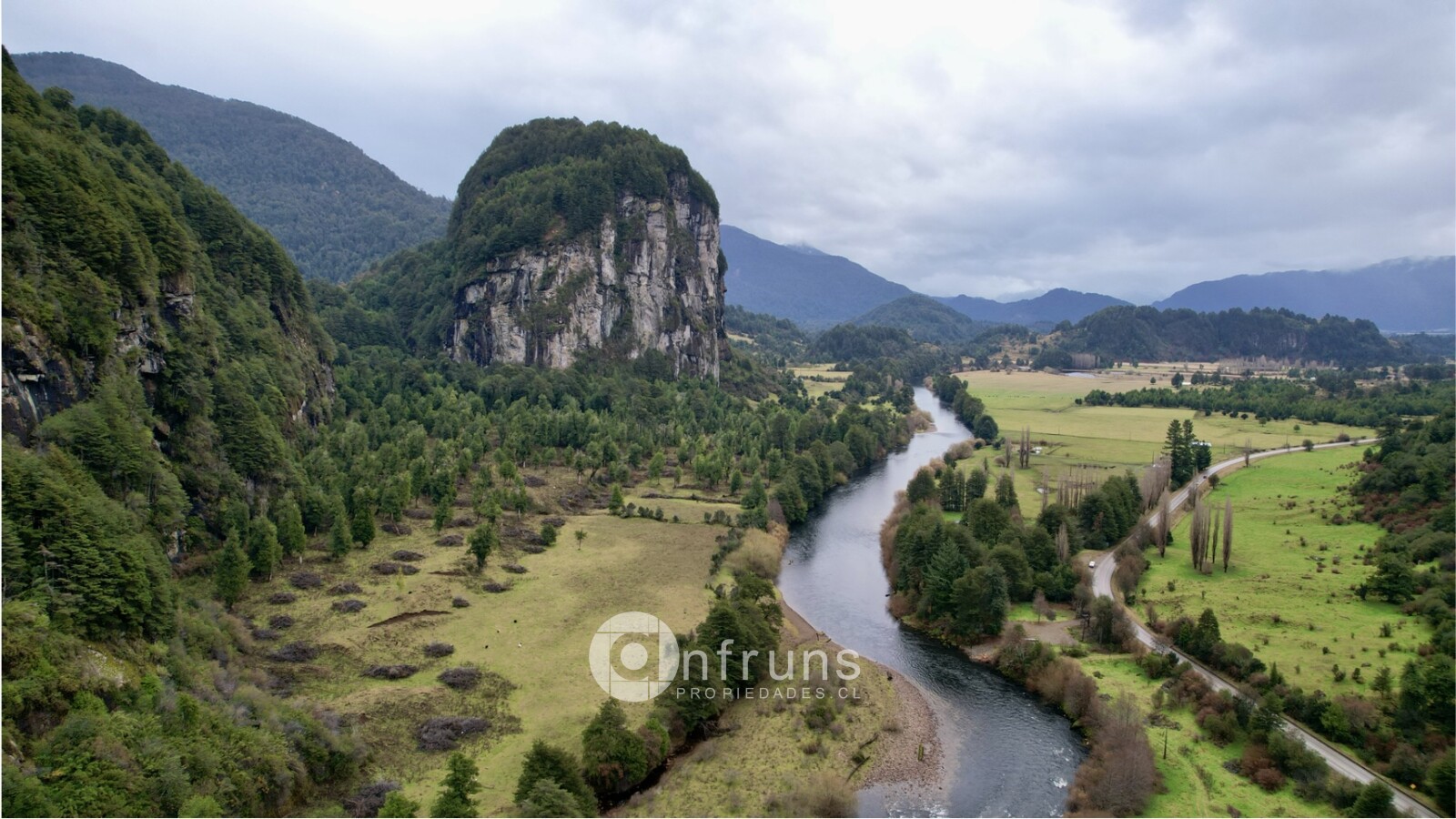
The market breaks into three geographies. The eastern steppe (Coyhaique Alto, Balmaceda, Chile Chico, Cochrane) carries dry pampa with 300 to 600 mm of annual rainfall, strong winds, and traditional extensive cattle and sheep operations at 1 to 3 animal units per hectare. The central transition zone (Simpson valley, Nirehuao, Ibanez) mixes forestry lots, cattle on improved pasture, and increasingly cherry orchards taking advantage of the climatic shift. The western fjord belt (Puerto Cisnes, Puyuhuapi, Tortel) gets 3,000 to 4,000 mm of rain, supports Lenga and Coihue forestry, and contains most conservation-grade properties bordering national parks.
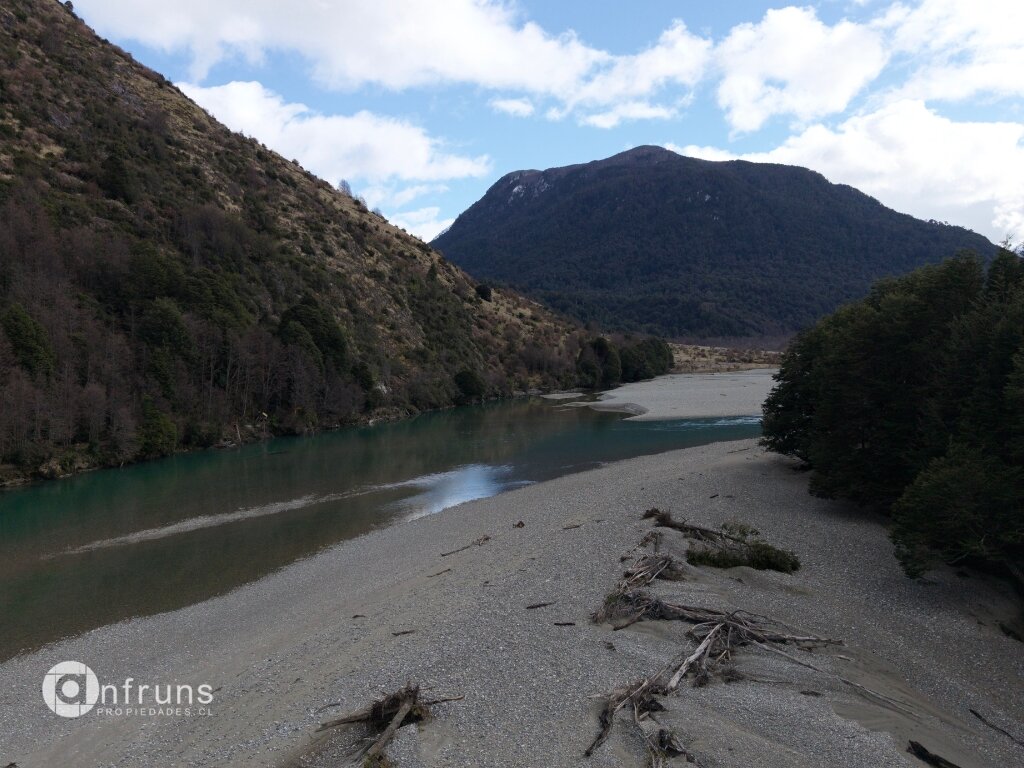
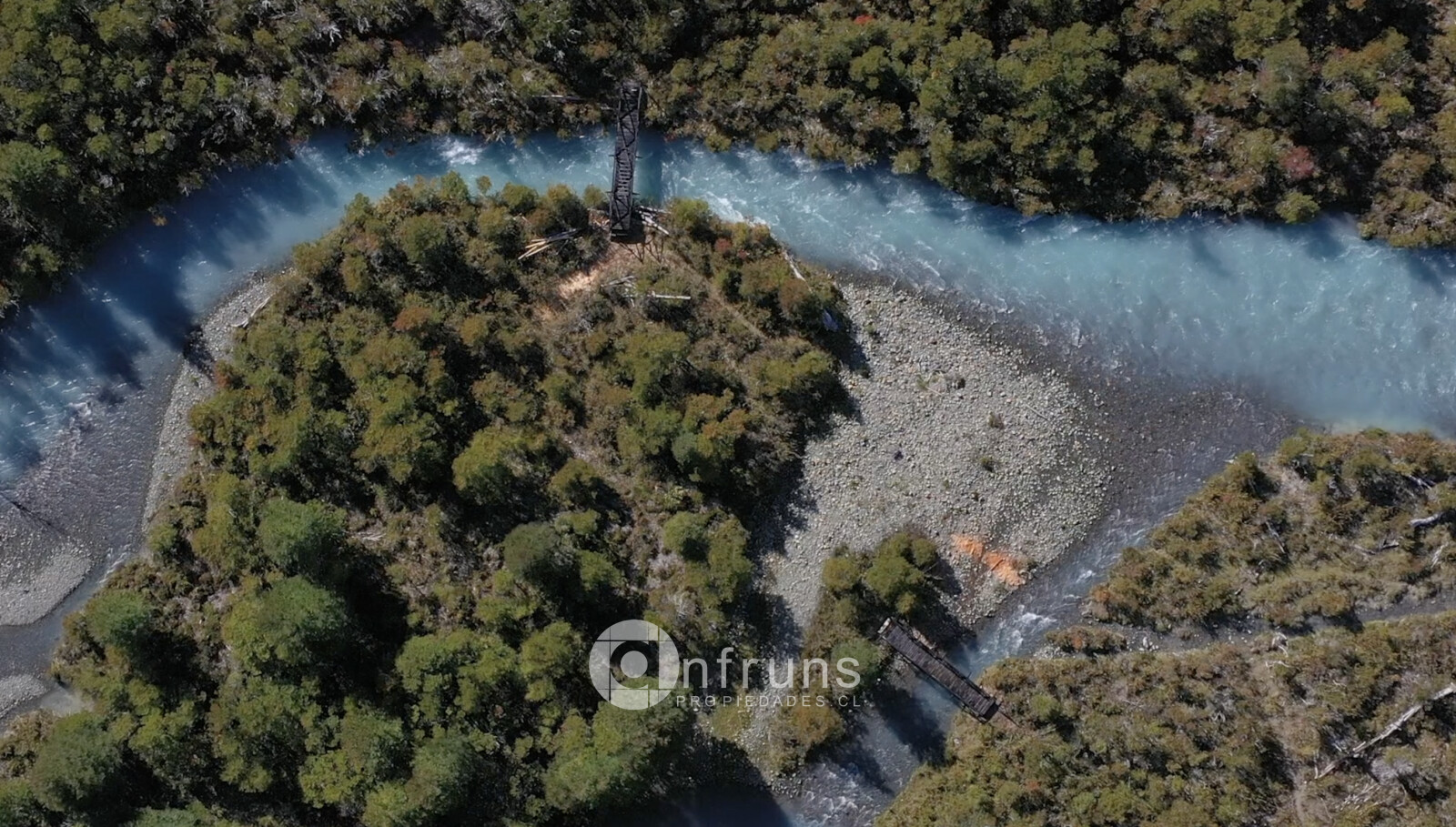
The due diligence rule that matters most is water. In Chile, water rights (derechos de aprovechamiento de aguas) are a separate real right from the land. A 1,200 hectare field with a permanent river through it may have zero rights constituted at the DGA, which means the new owner cannot legally irrigate or even water livestock at industrial scale without regularizing. Before making any offer, read our freshwater land investment analysis and our underlying water-rights due diligence article. Then ask the selling broker for a current certificate from the Conservador and the DGA registration number for every diversion.
Conservation is now a significant buyer segment. Large parcels adjacent to Parque Nacional Patagonia, Parque Nacional Queulat, Reserva Nacional Cerro Castillo, and the newly consolidated Corcovado buffer trade at a premium when they can be placed under a Derecho Real de Conservacion (Law 20,930). The buyer retains ownership and right to live on the property; the perpetual easement, registered at the Conservador, binds future owners to agreed conservation terms. Our conservation land investment article walks through the three projects that have used this structure at scale.
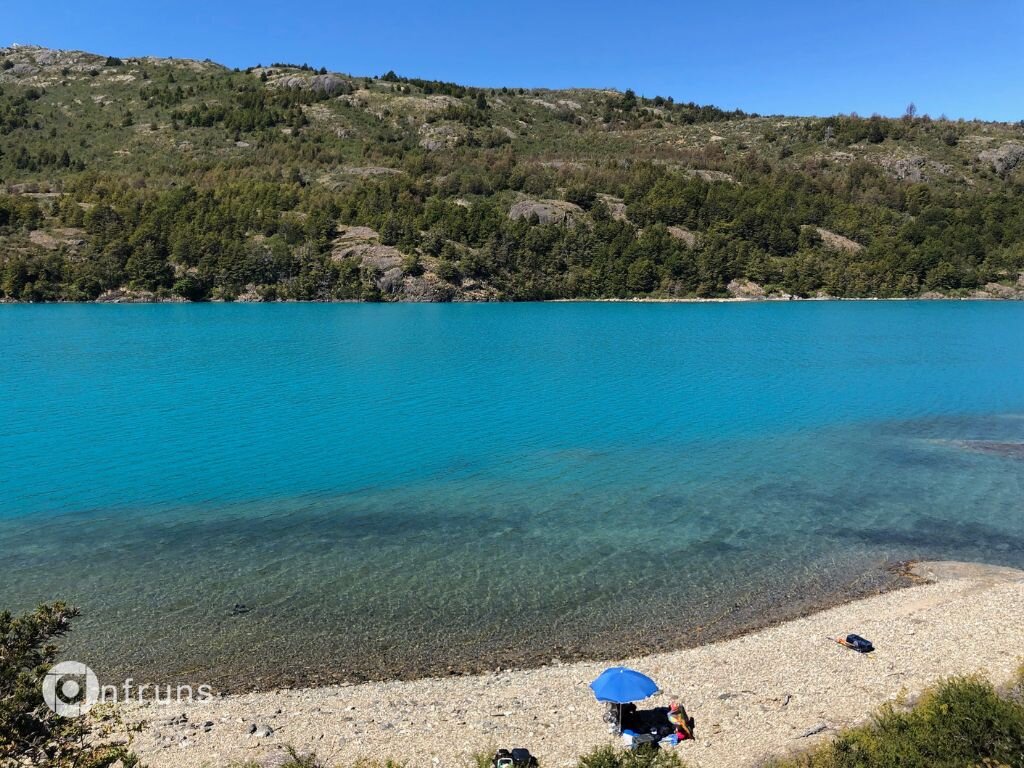
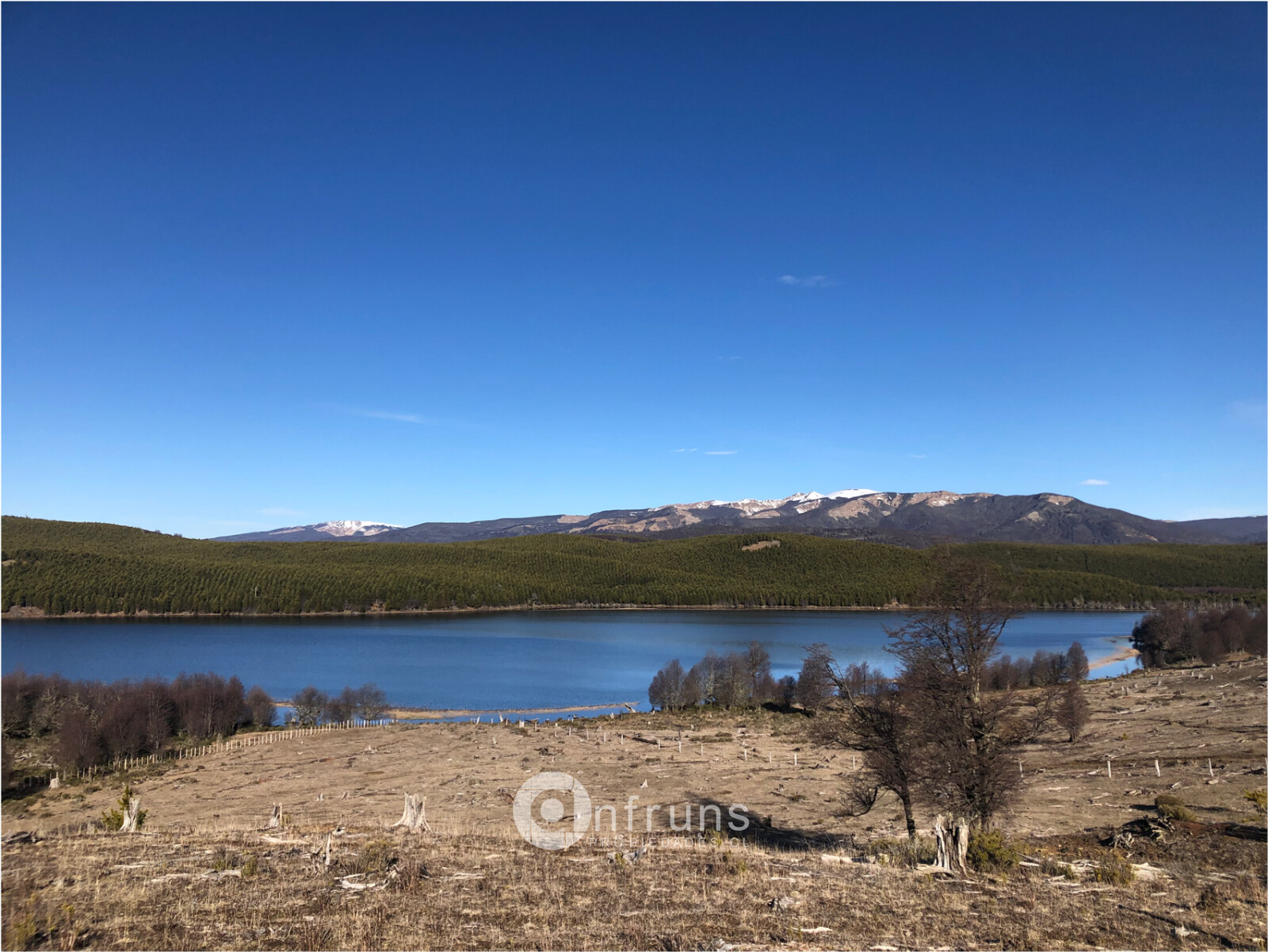
Pricing ranges are wide because microlocation dominates. A 150 hectare cattle field on the steppe 30 km east of Coyhaique with a permanent stream and basic improvements trades around UF 10,000 to UF 18,000. A 1,500 hectare estancia with lakefront on Lago General Carrera, a maintained airstrip, and a lodge structure clears UF 40,000 to UF 80,000. Hunting and fly-fishing operations with SERNAPESCA licenses and repeat international clientele add 30% to 60% on top of the land comp. UF is the Chilean inflation-indexed unit published daily; at the time of writing, 1 UF = roughly USD 42.
Three brokerages lead the specialty ranch segment in Aysen: Campos Patagonia, FarmBrokers, and Anfruns Propiedades. All three operate directly with sellers, speak varying levels of English, and can introduce the local agrimensores (licensed surveyors) needed for boundary confirmation. Full agency directory at /en/agencies/.