Patagonia Ranches for Sale: Aysen Region

5 farms & ranches found

Other property types in Aysen Region

Real Estate Market in Aysen Region

Houses
UF 3,200
Apartments
UF 2,400
Land
UF 1,800
Lots
UF 800
Farms & Ranches
UF 5,500
Cabins
UF 2,800
Commercial
UF 4,000
Lodges
UF 8,000

Average price per m² in Aysen Region: UF 28/m²

Trusted brokers in this category

About farms & ranches in Aysen Region

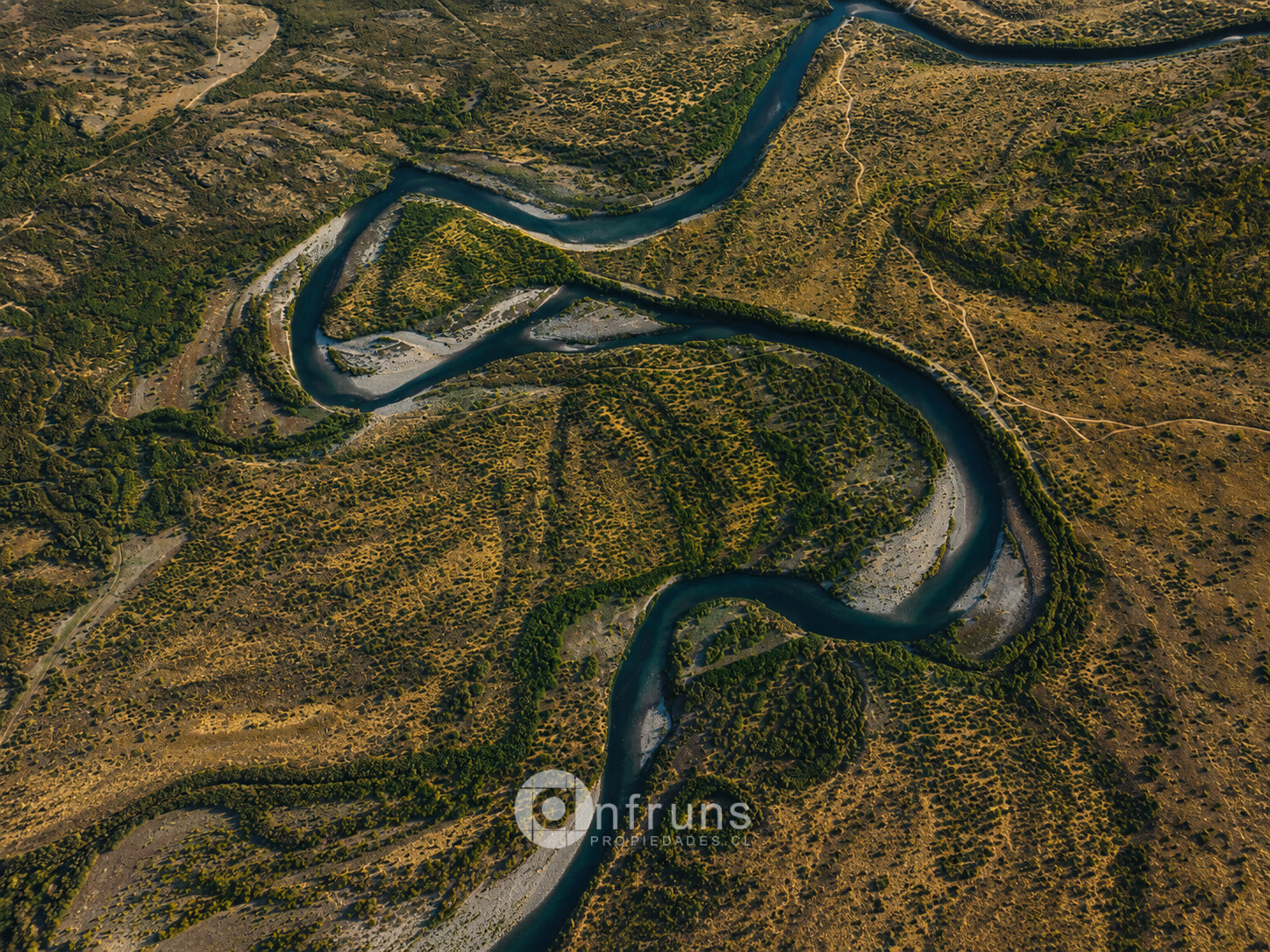
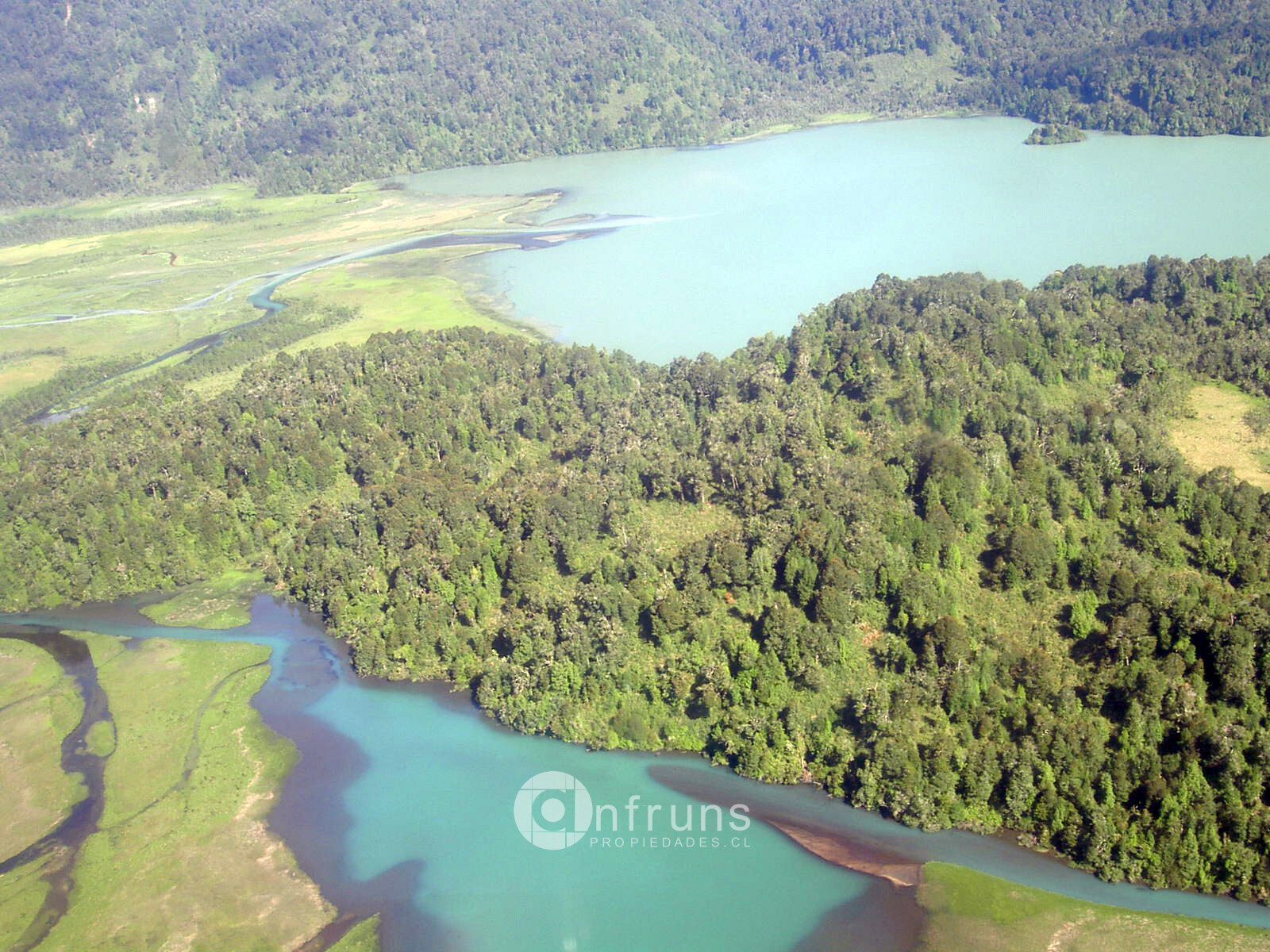
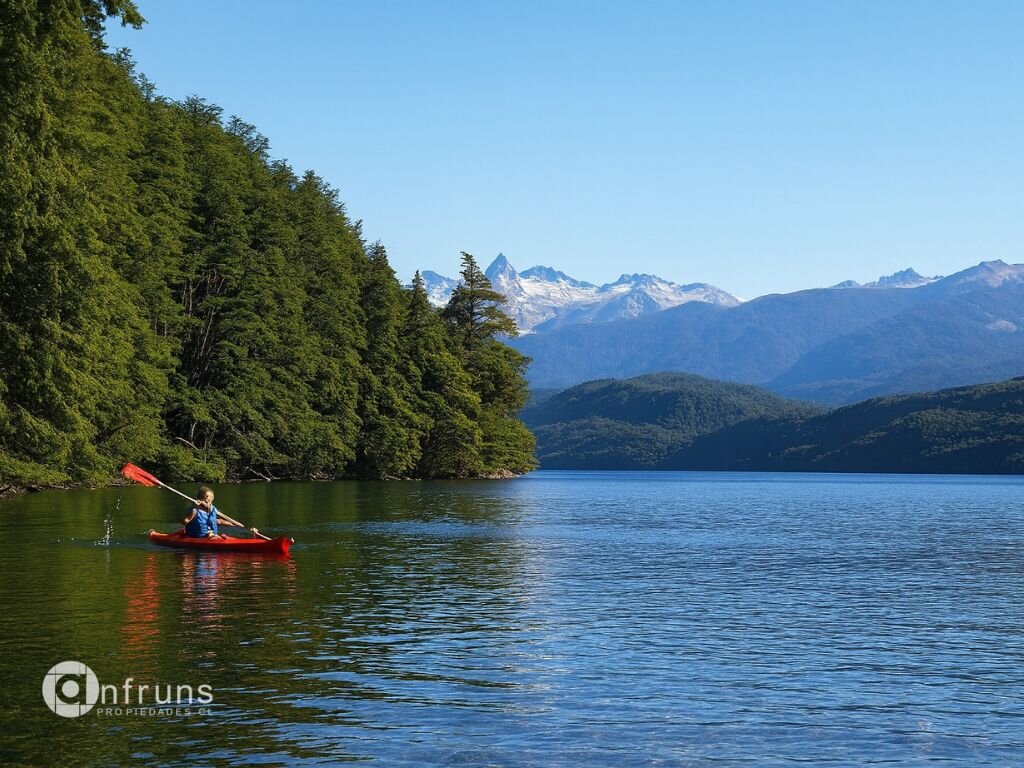
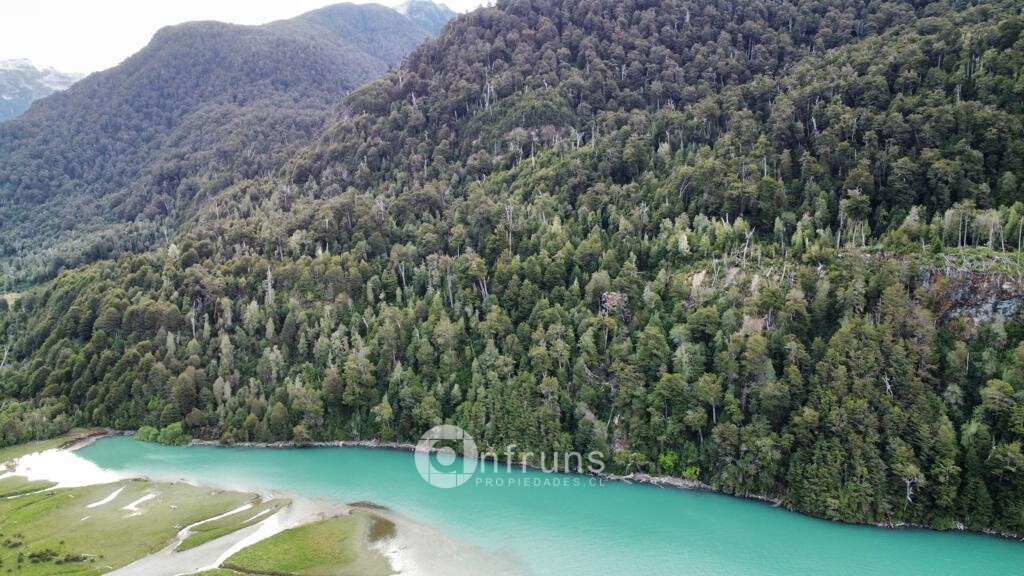
Patagonia ranches (campos) in Aysen differ from parcelas: these are larger holdings, from 20 ha to several thousand, with livestock (cattle, sheep), forestry (lenga, coihue) or mixed productive use. Entry-level campos without housing or perimeter fencing start at UF 5,000. A 100 to 500 ha ranch with main house, sheds, corrals, native forest and water rights runs UF 30,000 to UF 80,000. Premium properties with river or lake frontage, productive forest and direct public road access reach UF 200,000 and above. Key submarkets: Valle Simpson, Nirehuao, Manantiales, Balmaceda, Rio Cisnes, Lago Verde, La Tapera, Cochrane and the Baker corridor. Foreign-buyer due diligence: verify stocking rate (DAU), registered surface water rights, real surveyed surface versus titled surface (10 percent discrepancies are common), and confirm the property is not inside SNASPE national protected areas or subject to CONAF-use restrictions. We work with specialist rural brokers (Campos Patagonia, FarmBrokers, Anfruns).

Frequently Asked Questions about Farms & Ranches in Aysen Region

How much does a farm cost in Aysen Region?
Prices for farms & ranches in Aysen Region typically range from UF 3,300 to UF 8,250, with an average around UF 5,500. Prices vary based on location, size, and condition. The UF (Unidad de Fomento) is Chile's inflation-adjusted currency unit, widely used in real estate transactions.
Is it a good time to buy farms & ranches in Aysen Region?
The real estate market in Aysen Region has shown steady growth of approximately 33% over the past five years. Patagonia continues to attract buyers seeking nature, quality of life, and investment potential. With improving infrastructure and growing tourism in the Aysen Region, current prices remain competitive compared to other popular Chilean destinations.
What are the requirements to buy property in Aysen Region?
Both Chilean citizens and foreigners can purchase property in Aysen Region. The process involves: (1) signing a promesa de compraventa (purchase agreement), (2) completing due diligence at the Conservador de Bienes Raices (property registry), (3) signing the escritura (deed) before a notary, and (4) registering the transfer. Financing is available through Chilean banks via credito hipotecario (mortgage) denominated in UF, typically at 3.5-5.5% annual rates with up to 80% financing.
What is it like to live in Aysen Region?
Aysen Region has summers reaching 18 C and winters dropping to -2 C, with approximately 1200mm of annual rainfall. Residents enjoy Trekking and hiking, Sport fishing, Nature tourism. Aysen Region offers Health clinic, Primary school, Police station, Local shops. The town is connected to Santiago via 3h 30m via Balmaceda.
What services and amenities are available in Aysen Region?
Aysen Region offers the following services: Health clinic, Primary school, Police station, Local shops. As the regional capital, Coyhaique has the most comprehensive services in the Aysen Region. The Aysen Region continues to improve its infrastructure with better road connections and expanded services.
How many hectares make a profitable cattle campo in Aysen?
In Aysen, typical stocking rate is 1 AU (animal unit, adult cattle equivalent) per 1.5 to 3 ha of pasture, depending on soil, aspect and water. A commercial cattle campo starts at 200 productive hectares (not total) to support 60 to 130 head, the minimum for the business to cover fixed costs (labor, fencing, animal health). Campos of 50 to 150 ha work as hobby or secondary operations but rarely pencil as primary income. Legal stocking is declared annually in the DAU (Declaracion Anual de Uso) to the SAG.
What checks are critical when buying a campo in Aysen?
Six non-negotiables. First, real surveyed surface (recent topographic survey) versus titled surface: 10 to 20 percent discrepancies are common. Second, surface water rights inscribed at the CBR and registered with DGA, not just claimed. Third, fenced boundaries without active neighbor disputes. Fourth, public road access or recorded easement (servidumbre). Fifth, CONAF restrictions if native forest is present (Ley 20.283 prohibits logging without a management plan). Sixth, border zone: if the property sits inside the 10 km DL 1.939 strip, foreign ownership restrictions apply. A full title study for a campo runs UF 25 to UF 50.
What types of campos trade in Aysen?
Three main types. Livestock: improved or natural pastures with cattle and sheep, in Valle Simpson, Nirehuao, Manantiales, Balmaceda, Rio Cisnes, Lago Verde and the Cochrane region. Forestry: lenga and coihue forests with management or conservation potential, in remote areas with limited access. Mixed-use: combine livestock pasture with native forest and river or lake frontage, typically 100 to 500 ha. Prices range from UF 5,000 (basic campo without housing) to UF 200,000+ (flagship campos with main house, sheds, productive forest, river or lake frontage and paved access).
Can Aysen campos have environmental restrictions?
Yes. Native forests are protected under Ley 20.283: any intervention (logging, thinning, land-use change) requires a CONAF-approved forest management plan with a licensed forester. Campos adjacent to the National Protected Areas System (SNASPE) such as Parque Nacional Patagonia or Reserva Cerro Castillo may carry use restrictions or State-favored easements. Registered wetlands also have protection under the Wetlands Law. Request a CONAF non-affectation certificate from the broker before making an offer on larger campos.