Best Time to Buy Property in Patagonia: A Season-by-Season Guide
TL;DR The best time to buy property in Patagonia depends on what you value more: price or certainty. Winter (June to August) is when sellers are most flexible and competition disappears, but you cannot properly inspect rural land. Spring (October to November) is the sweet spot: roads reopen, properties show honestly after winter, and you close before the summer tourist wave converts into buyer competition. Summer is for inspections and falling in love, not for negotiating. Smart buyers scout in summer, verify in spring, and sign before December.
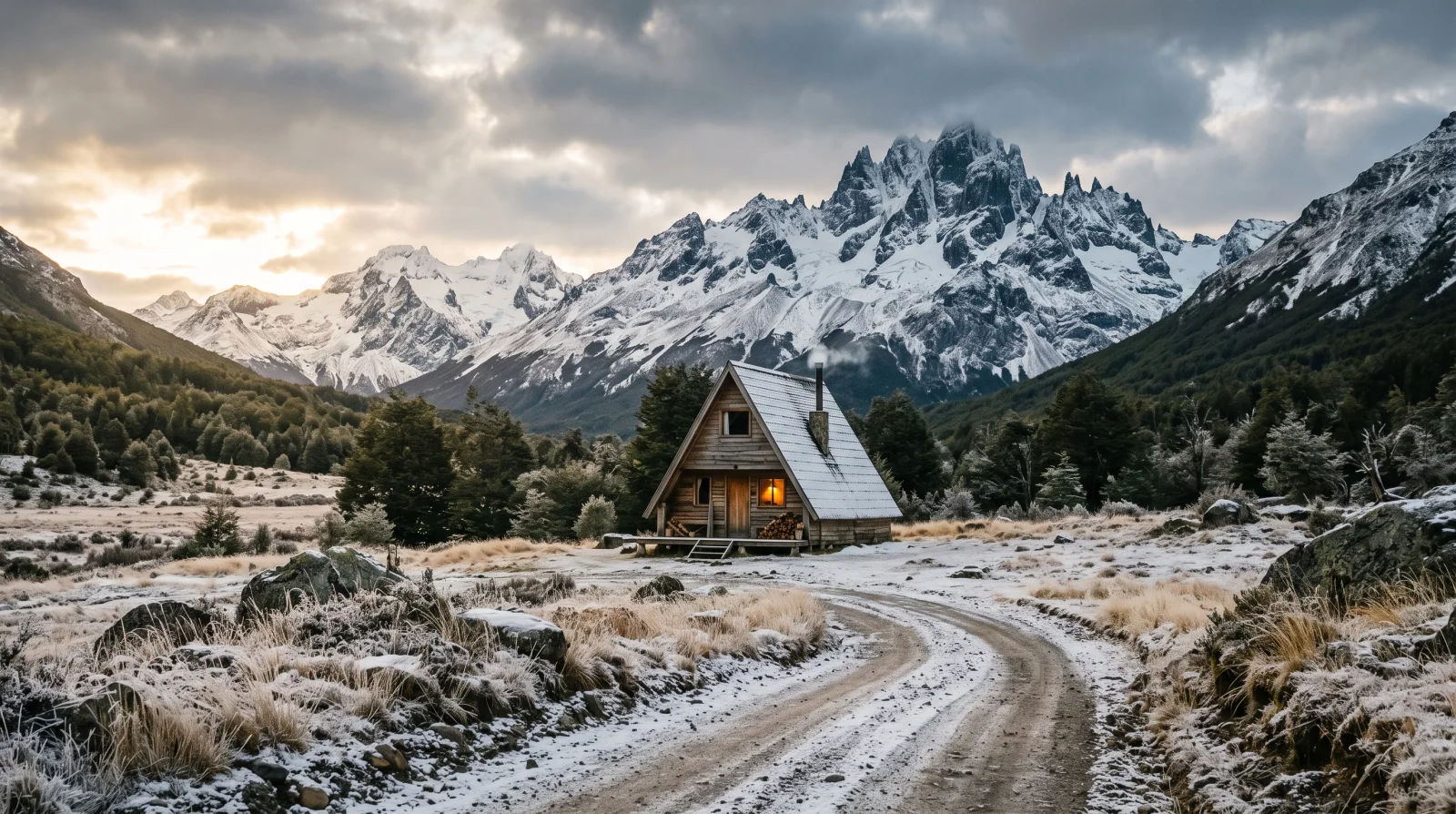
Winter in Aysen: fewer buyers, softer prices. See houses for sale in Coyhaique.
Ask a local in Coyhaique when to buy property and you will get a smile and a counter-question: “Have you been here in July?” In Chilean Patagonia, the calendar is not a detail. It decides what you can see, what you can access, how motivated the seller is, and how many other buyers are circling the same parcel.
This guide walks through the entire year, month by month, from a buyer’s perspective. It covers the weather that shapes everything, the tourism seasons that drive demand, and the practical timing strategy that separates people who overpay in February from people who close quietly in October.
Why seasons matter more here than almost anywhere else
Aysen sits between roughly 44 and 49 degrees south latitude. That far from the equator, the difference between summer and winter is not cosmetic, it rewires the entire region.
Start with daylight. Coyhaique gets about 15 hours and 36 minutes of daylight in December but only around 8 hours and 48 minutes in June. A property visit in January can run from breakfast to 9 pm. In winter, you have a narrow midday window, and if the property is two hours down a gravel road, the math stops working fast.
Then the weather itself. Coyhaique has an oceanic climate with cold, rainy winters and cool summers. February, the warmest month, averages a high of about 17 degrees Celsius, while July averages lows around freezing. Precipitation is heavily seasonal too: June is the wettest month and February the driest, with the rainy core running May through August. And Coyhaique is the dry part of the region: cross toward the coast at Puerto Aysen or Puyuhuapi and annual rainfall multiplies.
Finally, access. The Carretera Austral is the region’s spine, and in winter snow can close the mountain passes at Cerro Castillo and Queulat while black ice covers southern gravel sections. Road crews keep the main artery open most of the time, but “most of the time” is not a phrase you want attached to your only route to a property viewing. Ferry frequencies also drop after Easter, which matters for anything near Puerto Cisnes, Caleta Tortel or the far south.
Numbers That Matter: Coyhaique swings from 15.6 hours of daylight in December to 8.8 hours in June. Every hour of lost daylight is an hour you cannot spend walking a boundary line.
The four seasons of the Aysen property market
Summer (December to February): the shop window
Summer is when Aysen performs. The lakes turn impossibly turquoise, the pastures are green, and the region fills with visitors. Sernatur reported an estimated 229,947 visitors entering the region between December and March in the most recent high season, with hotel occupancy among the highest in Chile: 76.8 percent in January.
For buyers this cuts both ways. On one hand, summer is the only honest season for certain inspections: you can walk every corner of a campo, see the water sources at their summer low, test the road in its best condition, and confirm that the “lake view” in the listing photos is real. On the other hand, every one of those 229,947 visitors is a potential rival. A meaningful share of them will stand on a lookout above Lago General Carrera, feel something shift internally, and start browsing listings that same evening. Sellers know this. Summer is when asking prices are firmest and when “another interested party” is most likely to be true.
Autumn (March to May): the seller’s harvest, the buyer’s research season
March and April are historically the strongest selling window in the region, something we cover in detail in our guide to the best time to sell property in Patagonia. Summer visitors have converted into motivated buyers, the weather is still workable, and the landscape is at its photogenic autumn best.
As a buyer, this means you are shopping when competition peaks. But autumn has a quieter use: it is the best research season. Inventory is at its annual high because sellers list to catch the post-summer wave. You can build a shortlist, visit properties, and watch which ones linger. Anything still unsold by late May is attached to a seller staring down a long, quiet winter.
Winter (June to August): the contrarian’s window
Winter empties the market. Showings drop to near zero on rural properties, tourism collapses, and sellers who need liquidity get uncomfortable. If your goal is negotiating leverage, this is your season, and we will cover exactly how to use it below.
Spring (September to November): the closer’s season
Spring is when experienced buyers do their signing. Roads reopen, days lengthen fast, and properties reveal their winter scars honestly: you can see where water pooled, which access roads washed out, and how the house handled three months of frost. Sellers who sat through winter without an offer are realistic. And critically, you are ahead of the December wave, closing while next season’s competition is still booking their first flights to Balmaceda.
Key Insight: Summer creates buyers, autumn converts them, winter starves sellers, and spring rewards whoever is still standing there with financing ready.
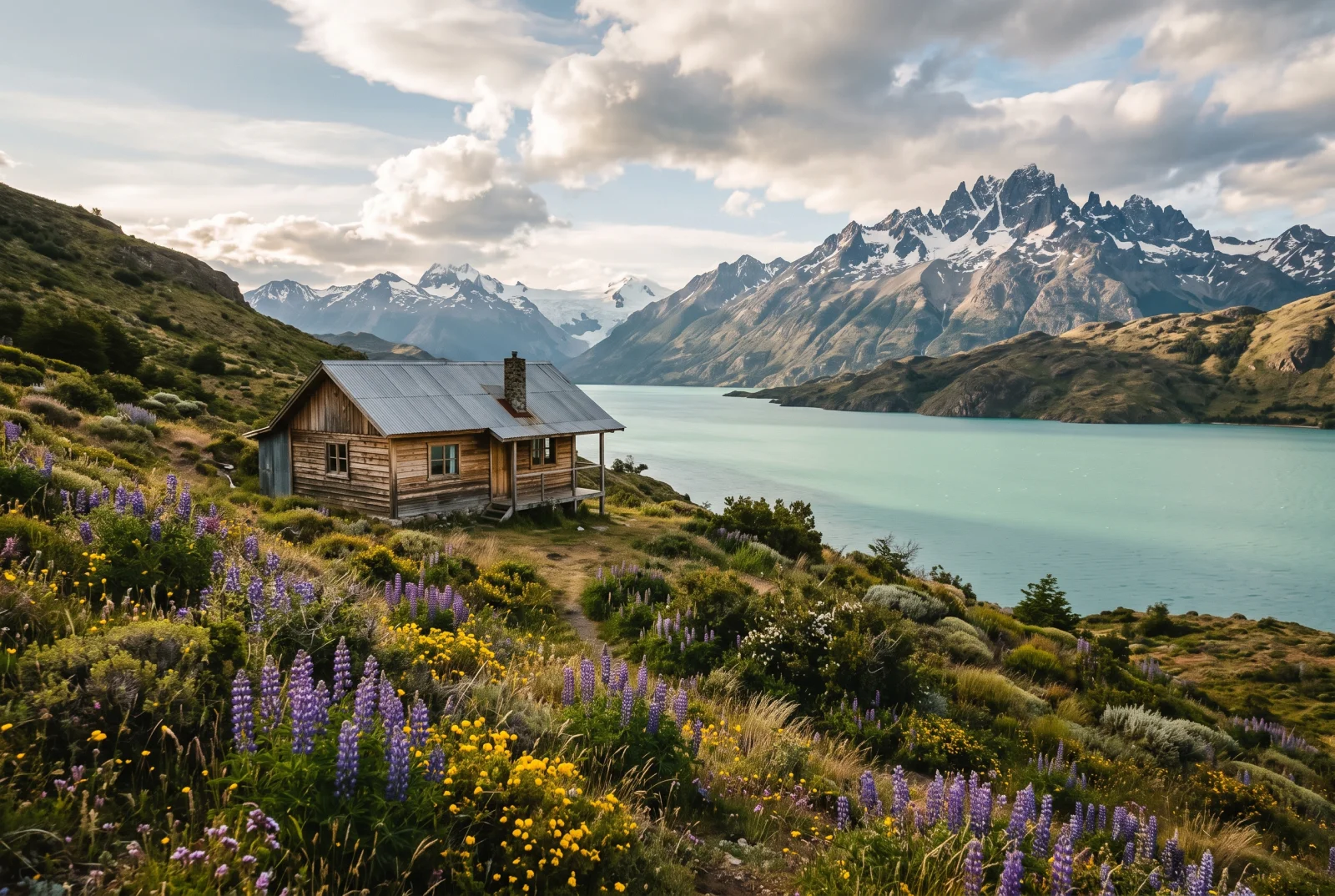 Summer is for inspections: water, boundaries, access. Browse land for sale near Puerto Rio Tranquilo.
A month-by-month buyer’s calendar
| Month | Weather and access | Market dynamics | Buyer’s move |
|---|---|---|---|
| January | Peak summer, all roads open | Maximum competition, firm prices | Scout and inspect, resist impulse offers |
| February | Warmest, driest month | Tourists converting to buyers | Inspect water sources at their lowest |
| March | Mild, autumn colors | Peak listing season, most inventory | Build your shortlist |
| April | Cooling, still accessible | Sellers still confident | Visit, compare, watch what lingers |
| May | Rain arrives, passes get dicey | Activity fading | Identify unsold listings from March |
| June | Wettest month, shortest days | Market hibernates | Open negotiations from a distance |
| July | Coldest month, snow and ice | Sellers at maximum flexibility | Negotiate, structure the deal |
| August | Winter persists | Quiet, paperwork season | Run due diligence, title studies |
| September | Spring thaw begins | Early listings appear | Re-inspect winter performance |
| October | Days lengthen quickly | Realistic sellers, fresh inventory | Make your offer |
| November | Reliable access returns | Pre-summer calm | Close before December |
| December | Full summer, tourists arrive | Demand wave building | Be done. Enjoy the lake |
Winter: how to actually use the buyer’s market
Winter buying in Patagonia is not about showing up in a parka and lowballing everyone. It is about matching the season to the tasks that suit it.
What winter is good for:
- Negotiation. A seller in July has had no showings for weeks and faces three more months of the same. Your offer is not competing with anyone. This is when payment terms, included machinery, furniture, and price flexibility all improve.
- Stress-testing urban property. For houses in Coyhaique, winter is genuinely the best inspection season. You will see how the heating performs, whether the roof handles snow load, where the drafts are, and what the neighborhood feels like when wood smoke settles into the valley. A house that feels good in July will feel spectacular in January.
- Paperwork. Title studies at the Conservador de Bienes Raices, RUT applications, and power of attorney logistics do not care about the weather. Winter is the season to grind through due diligence so you can move instantly when you find the right property.
What winter hides: frozen ground conceals drainage problems, snow flatters ugly terrain, and you cannot assess pastures, orchards, or summer water flows. Never buy rural land you have only seen in winter. The reverse discipline also applies: never buy waterfront you have only seen in February, because summer hides how high the lake or river rises in September.
Pro Tip: The strongest position in this market is a buyer who inspected in summer, kept in contact, and returns with a winter offer. You have seen the property at its best, and the seller is seeing the market at its worst.
What each season reveals (and conceals) during inspections
A property in Aysen is really four different properties, one per season. Since you will probably only see it in one or two of them, know what each season can and cannot tell you.
Summer reveals: true boundaries (walkable), minimum water flow in streams and springs, the real state of fences and pastures, sun exposure at its maximum, and how touristy the surrounding area gets. Summer conceals: winter access problems, drainage and flooding, heating performance, and how isolated the property feels when the seasonal businesses close.
Winter reveals: road reliability, snow accumulation, heating costs, drainage patterns visible as ice, and the true year-round community (whoever is still there in July actually lives there). Winter conceals: almost everything agricultural, the land’s contours, and any problem currently frozen solid.
Spring reveals: the aftermath. Washouts, mud, high water marks, roof damage. If a property looks good in October, it survived the hard season intact. Autumn reveals: how early the cold arrives, firewood logistics in action, and what the property needs before winter.
If you are planning to build rather than buy, this seasonal logic doubles in importance: construction windows in Aysen effectively run October to April, so a land purchase closing in November can mean losing an entire year versus closing in September.
 Plan the trip around the decision, not the holiday. Our contact page is the right first step.
What tourism seasonality means if you are buying to rent
If your plan involves short-term rental income, the tourism calendar is your revenue calendar, and in Aysen it is dramatically compressed. The region’s own tourism statistics system tracks this in detail, and the pattern is consistent: occupancy in the mid-70s percent range in January and February, then a long shoulder, then a deep winter trough.
The encouraging news for owners is the trend. In the most recent season, arrivals at tourist accommodation in Aysen grew 7.1 percent while the national figure fell 2.5 percent. The region is gaining share of Chilean tourism, not just riding the national tide.
For a buyer, two timing implications follow. First, if you want a cabin near Puerto Rio Tranquilo or Cerro Castillo generating income next season, you need to close by October at the latest: furnishing, permits, and listing setup all take longer here than you expect. Second, when evaluating a rental property that is for sale, insist on seeing occupancy data from a full year, not a January screenshot. A property that gross-earns beautifully for ten weeks and sits empty for thirty is a very different investment from its summer Instagram feed. Our Airbnb and vacation rental guide for Aysen covers the regulatory side in depth.
Did You Know: Aysen posted 76.8 percent hotel occupancy in January, among the top three regions in Chile, yet many rural lodgings close entirely from May to September. The revenue year here is short, intense, and entirely seasonal.
Planning the scouting trip itself
For international buyers, the practical question is usually “when do I fly down?” A few field-tested answers:
- If you can make one trip: come in March. You get near-summer conditions, full road access, maximum inventory from the post-season listing wave, and shoulder-season flight and lodging prices. You can inspect thoroughly, then negotiate remotely into the winter using a local lawyer with power of attorney, a process we describe in our guide for foreign farm buyers.
- If you can make two trips: summer to shortlist, spring to verify and close. January or February for the full inspection of your candidates, then October to confirm nothing broke over winter and sign.
- If you are buying in town: consider a winter trip on purpose. Urban Coyhaique functions year-round, and seeing the city, and the house, in July tells you what the listing photos never will.
Whatever the season, book accommodation early if you come between December and February (remember that occupancy figure), rent a high-clearance vehicle for anything rural, and build slack into the itinerary. Distances on the Carretera Austral are measured in hours, not kilometers, and the weather has veto power over every plan in every month.
Frequently Asked Questions
Do property prices in Aysen actually drop in winter?
Asking prices rarely change with the season. What changes is negotiability: winter sellers face months without competing offers, so discounts, flexible payment terms, and included extras become far easier to obtain. The list price is a summer artifact, the closing price is a function of timing.
Can I complete a purchase remotely if I visited during summer?
Yes. Chilean law allows you to grant a power of attorney to a local lawyer who signs the escritura on your behalf. Many foreign buyers inspect in summer, negotiate from abroad during winter, and never make a second trip. The power of attorney must be notarized and apostilled in your home country.
Is the Carretera Austral ever fully closed in winter?
Full closures are usually short, measured in hours or days after storms, because road crews prioritize the main route. The real winter risks are the mountain passes near Cerro Castillo and Queulat, black ice on gravel sections, and reduced ferry schedules. Rural side roads to specific properties are more likely to be a problem than the highway itself.
Does the seasonal logic differ between Coyhaique and the smaller towns?
Significantly. Coyhaique has year-round services, an airport connection through Balmaceda, and a property market that functions in all twelve months. Small towns along the Carretera Austral effectively hibernate: many businesses close from May to September, showings become rare, and local market activity concentrates almost entirely in the warm half of the year.
When should I start the process if I want to be in the house by next summer?
Work backward from December. Closing and registration at the Conservador takes weeks, due diligence takes several more, and negotiation before that. Starting your search in March and aiming to sign by October gives a comfortable margin. Starting in November means competing with the summer wave for a December miracle.
Are there more properties for sale in any particular month?
Inventory peaks in March and April, when sellers list to capture buyers returning from summer holidays. A secondary wave appears in October as sellers prepare for the new season. Winter has the thinnest inventory but the most motivated subset of sellers: those who kept their listing active through July generally need to sell.
Does the rainy season affect the legal side of buying?
No. Notaries, the Conservador de Bienes Raices, banks, and the tax authority operate normally all year. Winter is actually a practical season for the paperwork phase precisely because the legal machinery runs at full speed while the physical market sleeps.
Interested in buying land in Patagonia?
We connect buyers with the best opportunities in Chile's Aysen Region. Tell us what you're looking for and we'll help you find it.
No commitment. Your information is kept confidential.

Written by
Nicolas GorroñoFounder & Editor
Founder of Patagonia Properties. Grew up in Coyhaique, lived in Australia, and is now back in Patagonia full-time. SEO and digital marketing specialist.
LinkedIn