Patagonia Real Estate: Complete Buyer's Guide (2026)
TL;DR Chilean Patagonia’s Aysen Region is one of the last affordable frontiers for real estate buyers worldwide. Land parcels start around 2,100 UF (roughly $80,000 USD), houses sit at a median of 8,000 UF, and large farms average 20,043 UF across our 1,093 active listings. Foreigners can buy with the same rights as Chilean citizens, the process takes 30 to 60 days, and infrastructure (paved highways, fiber internet, daily flights to Santiago) has made year-round living genuinely practical.
Why Patagonia?
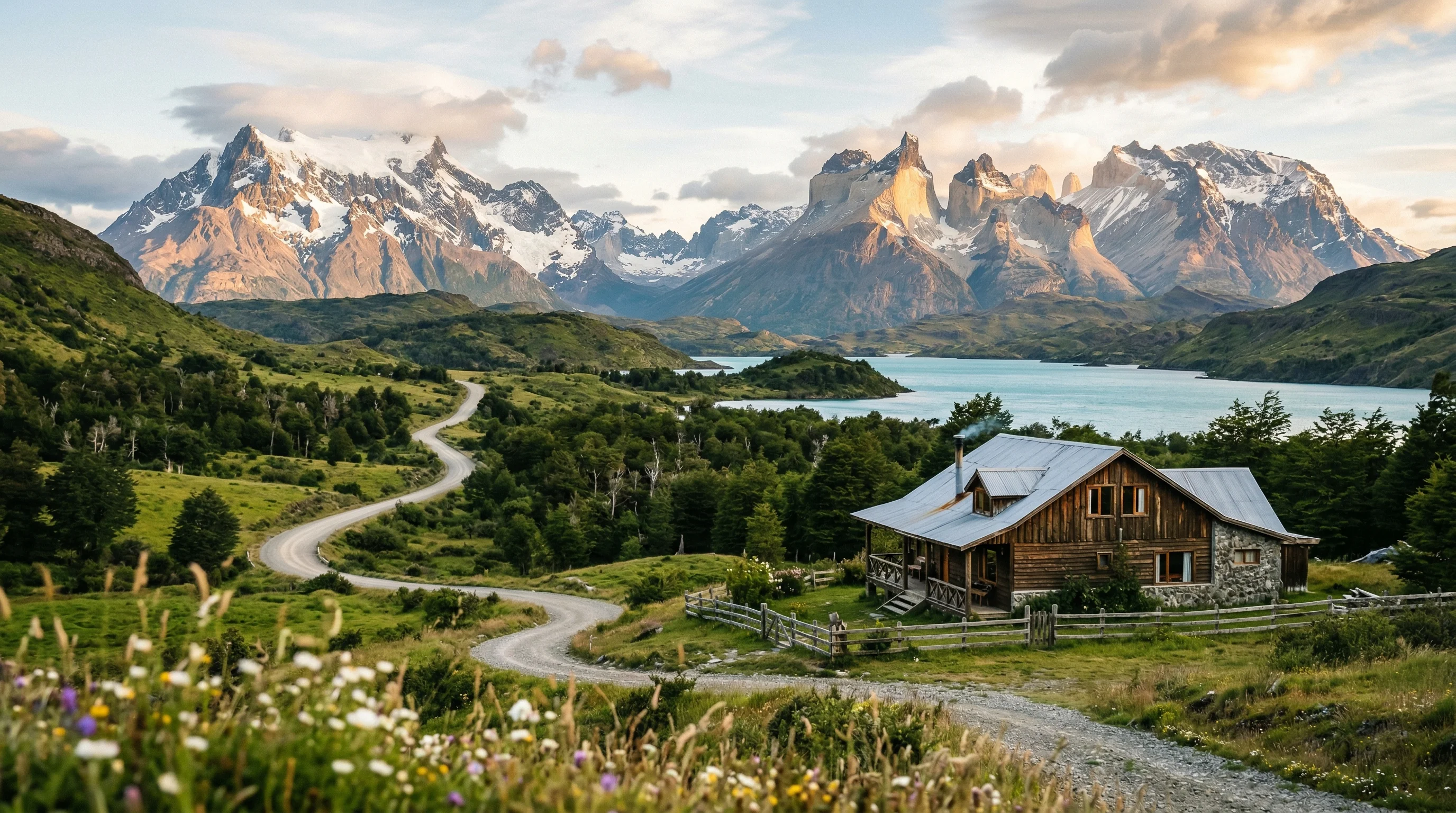
The Aysen Region covers 108,494 km2, making it larger than Iceland, yet it is home to fewer than 106,000 people. That ratio of space to population creates something rare in 2026: genuinely wild landscapes where you can own lakefront, riverside, or mountain property without a neighbor in sight.
The scenery speaks for itself. Turquoise glacier-fed lakes, volcanic peaks, temperate rainforest, fjords, and ice fields. Over 50% of the region falls within national parks or protected reserves, which means your surroundings stay pristine by law. Unlike Argentine Patagonia, where hotspots like Bariloche and El Calafate have seen steep price climbs over the past decade, the Chilean side remains significantly more affordable. A lakefront parcel that would cost $300,000 or more near Bariloche can still be found for $20,000 to $80,000 in Aysen.
Key Insight: Chile ranks as the freest economy in Latin America with strong property rights protections. Foreign buyers face no special taxes, no residency requirements, and the same legal standing as Chilean nationals.
Infrastructure improvements have accelerated the region’s appeal. The Carretera Austral, Chile’s iconic 1,240-kilometer highway, is now almost entirely paved between Chaiten and Coyhaique. Balmaceda Airport (BBA) connects the region to Santiago with daily flights. Fiber optic internet has reached Coyhaique, and Starlink coverage has made remote work viable even in the most isolated corners of the region. New hospitals, schools, and commercial development are following the infrastructure.
For remote workers, retirees, conservation investors, and anyone dreaming of a life closer to nature, Aysen represents a rare convergence: world-class landscapes, legal security, improving infrastructure, and prices that have not yet caught up with global demand.
Property Types Available
Our current inventory of 1,093 listings across the Aysen Region spans everything from urban apartments to multi-hundred-hectare cattle ranches. Here is what you will find on the market, along with median prices drawn from real listing data.
Houses (Casas)
Urban and semi-rural homes, predominantly in Coyhaique and Puerto Aysen. Construction is typically wood-frame with metal roofing, designed for Patagonian winters. Newer builds include central heating, double-glazed windows, and insulation to modern standards.
Median asking price: 8,000 UF (approximately $300,000 USD). Prices range from around 3,000 UF for older homes in smaller towns to 15,000+ UF for large modern houses in Coyhaique.
Browse: Houses for sale in Coyhaique | Houses for sale in Puerto Aysen
Land and Parcels (Parcelas / Terrenos)
This is the most active segment of the market. Options range from small urban lots to multi-hectare rural parcels with forest, river, or lake frontage. Many parcels include water rights (derechos de agua), which are critical for rural properties. Read our full explainer on water rights when buying land in Chile.
Median asking price: 2,100 UF (approximately $80,000 USD). Entry-level parcels in less accessible areas start below 500 UF, while premium lakefront lots can exceed 10,000 UF.
Browse: Land for sale | Lots for sale
Farms and Ranches (Campos / Fundos)
Working agricultural properties, typically 10 to 500+ hectares. These may include pastureland, native forest, rivers, and existing infrastructure (fencing, barns, farmhouses). Cattle ranching and sustainable forestry are the primary uses.
Median asking price: 20,043 UF (approximately $750,000 USD). Smaller operations with basic infrastructure start around 5,000 UF, while large established farms with multiple water rights can exceed 50,000 UF.
Browse: Farms for sale
Apartments (Departamentos)
Available almost exclusively in Coyhaique, the regional capital. The apartment market is small compared to Santiago, but new construction has increased supply. Most are 2 to 3 bedrooms. Typical range: 2,000 to 6,000 UF.
Browse: Apartments for sale in Coyhaique
Lodges and Cabins (Cabanas)
Tourism-oriented properties near national parks, rivers, or lakes. Many are turnkey businesses with existing booking history. The growing tourism economy along the Carretera Austral makes these particularly attractive as investment properties.
Commercial Properties
Offices, retail spaces, and warehouses concentrated in Coyhaique. As the region’s economy grows, commercial real estate activity is increasing steadily.
Browse: Commercial properties for sale
Numbers That Matter: Across our 1,093 active listings, the three dominant property types are parcelas (median 2,100 UF), casas (median 8,000 UF), and campos (median 20,043 UF). All prices are quoted in UF, Chile’s inflation-indexed unit, which protects both buyer and seller from currency fluctuations.
Key Locations
The Aysen Region stretches from Chaiten in the north to Villa O’Higgins in the south. Each area has a distinct character, climate, and price profile.
Coyhaique
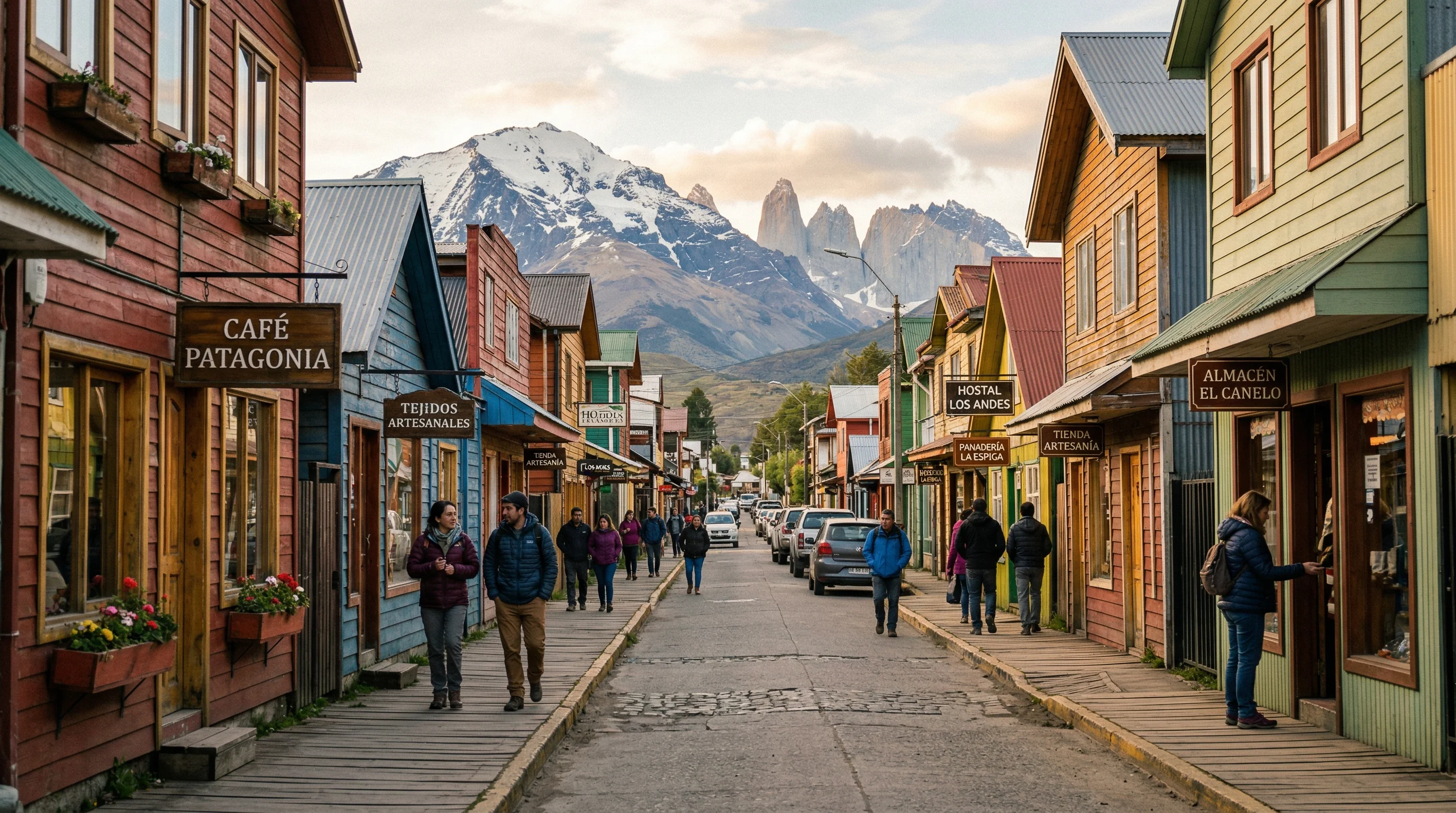
The regional capital and by far the largest city, with roughly 60,000 residents. Coyhaique has the most complete services: a regional hospital, schools at every level, supermarkets, banks, restaurants, and the only significant commercial real estate market in Aysen. The surrounding countryside offers parcels with Andes views. Most listings on the market are concentrated here. Prices are the highest in the region but still low by national or international standards.
Puerto Aysen
A port town 65 km from Coyhaique via paved highway. Puerto Aysen sits at the head of the Aysen Fjord and offers lower prices than the capital with reasonable access to services. The town has seen steady growth and investment in its waterfront area. A solid option for buyers seeking lower entry prices without sacrificing connectivity.
Chile Chico
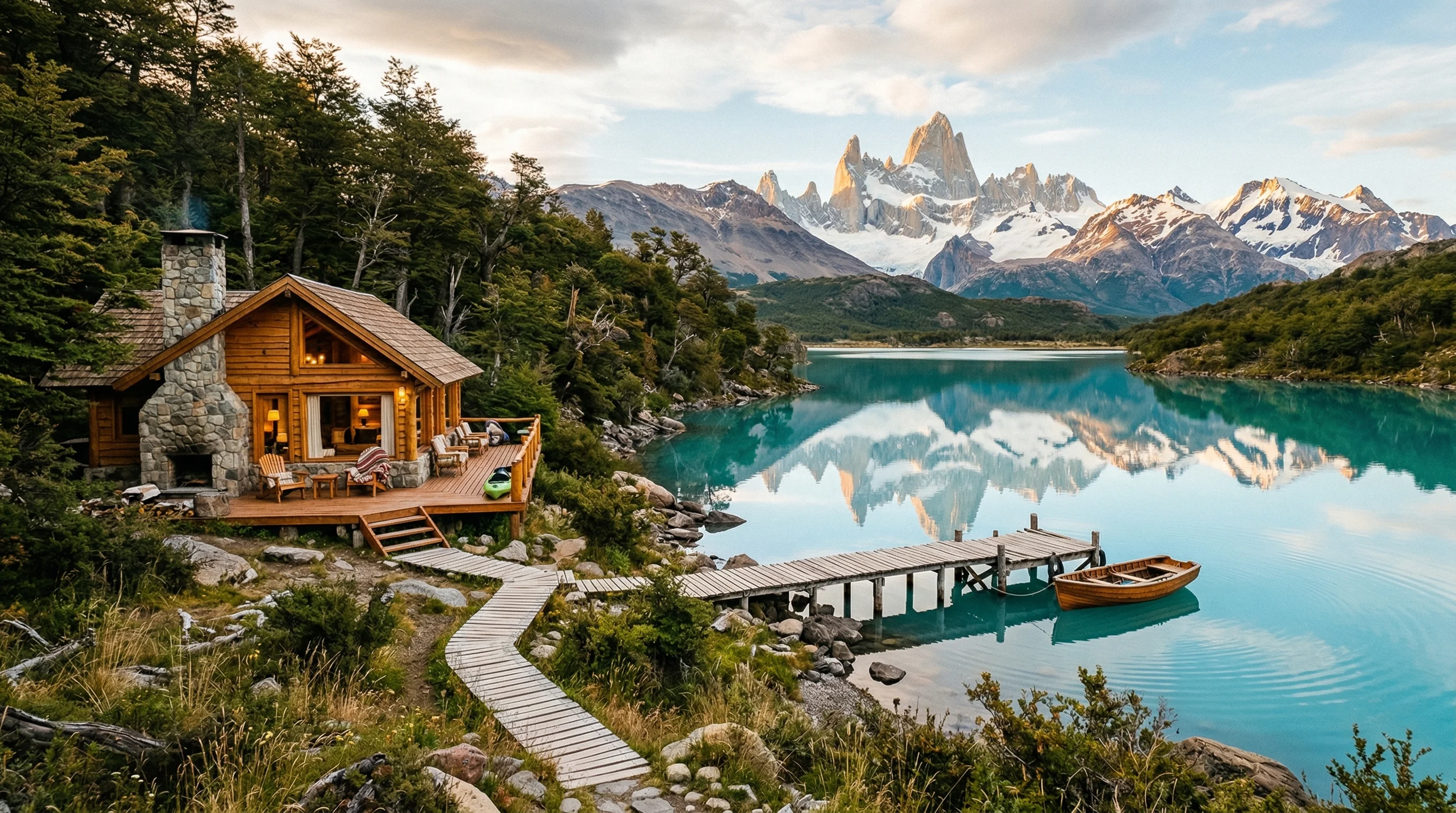
On the southern shore of Lago General Carrera, the second-largest lake in South America. Chile Chico enjoys a microclimate notably warmer and drier than the rest of Aysen, supporting fruit orchards and even small vineyards. It borders Argentina (Los Antiguos) and offers stunning lake-and-mountain views. Lakefront properties here are among the most sought after in the region.
Cerro Castillo
A small village at the base of the iconic Cerro Castillo massif, now a national park. This area has become a trekking and tourism hub with growing demand for lodges and cabins. The village sits along the Carretera Austral, roughly 100 km south of Coyhaique.
Puerto Guadal
On the western shore of Lago General Carrera, Puerto Guadal offers lakefront living in a quieter setting than Chile Chico. The area attracts buyers looking for waterfront parcels and tourism properties. The Marble Caves, one of Patagonia’s most visited natural attractions, are a short boat ride away.
Cochrane
A small town of roughly 3,000 residents near the southern end of the Carretera Austral. Cochrane is the gateway to Parque Patagonia and the Baker River, one of Chile’s most powerful and scenic rivers. Property prices are among the lowest in the region. This is the place for buyers seeking solitude and proximity to true wilderness.
Futaleufu
Known worldwide for its whitewater rafting, Futaleufu sits in the northern part of the region near the Argentine border. The town has a strong adventure tourism economy that draws international visitors year-round. Lodge and cabin investments here benefit from consistent tourist flow.
Price Ranges
The table below shows typical asking prices as of early 2026, based on active listings. Prices vary significantly depending on access, views, water frontage, and existing infrastructure.
| Property Type | Coyhaique | Lago General Carrera | Cochrane / South | Other Areas |
|---|---|---|---|---|
| Urban lot | $30,000 - $80,000 | $15,000 - $50,000 | $10,000 - $30,000 | $8,000 - $40,000 |
| Rural parcel (0.5 - 5 ha) | $15,000 - $60,000 | $10,000 - $80,000 | $8,000 - $40,000 | $5,000 - $50,000 |
| Lakefront land | N/A | $20,000 - $150,000 | $15,000 - $80,000 | $10,000 - $100,000 |
| House (urban) | $80,000 - $250,000 | $60,000 - $180,000 | $40,000 - $120,000 | $50,000 - $150,000 |
| Farm (10+ ha) | $80,000 - $500,000+ | $50,000 - $400,000 | $30,000 - $300,000 | $20,000 - $250,000 |
| Cabin / Lodge | $60,000 - $300,000 | $50,000 - $250,000 | $40,000 - $200,000 | $30,000 - $180,000 |
All prices shown in approximate USD equivalents. Chile’s real estate market quotes prices in UF (Unidad de Fomento), an inflation-indexed unit that adjusts daily based on CMF calculations. As of April 2026, 1 UF equals approximately CLP $38,500 (roughly $38 USD). Understanding UF is essential for comparing prices and negotiating effectively.
Pro Tip: Always compare prices in UF, not pesos or dollars. The UF adjusts for inflation automatically, so a price quoted six months ago in UF still reflects the same real value today. Our UF explainer covers everything you need to know.
The Buying Process
The legal process for purchasing property in Chile is well-established and transparent. Foreigners can buy freely with virtually the same rights as Chilean citizens. The main exception involves properties in designated border zones, which require authorization from the Ministry of National Defense (a routine administrative step, not a prohibition).
Here is the process at a high level:
-
Get a RUT. Obtain your Chilean tax identification number (Rol Unico Tributario) through an SII office or a legal representative. This is required before any property transaction.
-
Due diligence. Verify the property title at the local Conservador de Bienes Raices (property registry). Confirm there are no liens, encumbrances, or boundary disputes. For rural properties, verify water rights and check whether the land falls within a border zone.
-
Promise of sale (Promesa de Compraventa). A binding agreement signed before a notary, typically with a 10% deposit. This locks in the price and terms while final documents are prepared.
-
Final deed (Escritura de Compraventa). The official transfer deed, signed before a notary and inscribed at the Conservador de Bienes Raices.
-
Registration. The property is formally registered in the buyer’s name. The full process typically takes 30 to 60 days from promise to registration.
For a detailed walkthrough of each step, including document requirements, notary procedures, and common pitfalls, see our complete guide: Legal purchase process for property in Chile.
For foreign buyers specifically, we cover visa options, power of attorney, and remote purchase procedures in the Guide for foreign buyers. Chile maintains double taxation agreements with over 30 countries, which may affect how your purchase is treated for tax purposes back home.
Important Considerations
Before purchasing property in the Aysen Region, make sure you understand these topics. Each one has a dedicated guide with full details.
Taxes and Costs
Chile’s capital gains tax on property sales includes an 8,000 UF lifetime exemption (approximately $300,000 USD in gains), meaning most individual sellers pay zero tax. Buying costs include notary fees, registration, and a transfer tax of roughly 1.5% to 2%. Property tax (contribuciones) is assessed annually by the SII based on fiscal appraisal values, which tend to run well below market prices.
Water Rights
In Chile, water rights (derechos de aprovechamiento de aguas) are legally separate from land ownership. When buying rural property, always verify whether water rights are included in the sale. Without them, you may lack legal access to rivers or streams running through your own land. This is especially important for parcels and farms. Full details: Water rights when selling land in Chile.
Border Zone Restrictions
Much of the Aysen Region falls within Chile’s border zone (within 10 km of an international border or certain coastlines). Foreign buyers can still purchase in these areas but must obtain prior authorization from the Ministry of National Defense. The process adds 2 to 4 months but is rarely denied. Full details: Border zone restrictions in Aysen.
Understanding UF
Chile’s real estate market quotes prices in UF, an inflation-indexed unit managed by the CMF that adjusts daily. Learning to think in UF rather than pesos or dollars is essential for comparing properties accurately. Full details: What is UF?
Getting a Mortgage
Chilean banks offer mortgages to foreigners, though requirements are stricter than for residents. Typical down payments range from 20% to 30%, and you will need to demonstrate stable income. Some buyers use financing from their home country instead, secured against other assets.
Local Tip: Hire a local attorney (abogado) who specializes in real estate transactions in the Aysen Region. National firms based in Santiago may not understand the quirks of rural Patagonian properties, such as informal boundary markers, unregistered water rights, or access easements through neighboring land.
Why Buy Now?
The Aysen Region’s property market remains undervalued by international standards. Several converging factors make the current window attractive for buyers.
Prices are still low. Comparable lakefront or mountain properties in New Zealand, British Columbia, Scandinavia, or Argentine Patagonia cost 5 to 20 times more. Aysen has not yet experienced the price surge that other “last frontier” destinations have seen. According to World Bank data, Chile’s economy remains the most stable in South America, providing a solid foundation for long-term property investment.
Infrastructure is improving rapidly. The Carretera Austral paving project is nearing completion. Fiber optic internet has reached Coyhaique, and Starlink coverage now extends across the region. A new regional hospital opened in 2024. Each infrastructure improvement lifts both livability and property values.
Tourism is growing. The Aysen Region saw record visitor numbers in recent seasons, driven by Parque Patagonia, the Carretera Austral’s growing international reputation, and Chile’s strong tourism marketing. Tourism-oriented properties (lodges, cabins, land near national parks) are seeing rising demand and improving rental yields.
Supply is inherently limited. The region’s geography (mountains, fjords, glaciers, protected areas) means buildable land in desirable locations is scarce by nature. As global awareness grows, the best parcels, particularly those with lake, river, or mountain frontage, are being absorbed steadily.
Remote work changed the equation. With reliable internet now available in Coyhaique and expanding to smaller towns, Patagonia has become genuinely viable for remote workers and digital nomads. This recent shift is bringing an entirely new category of buyer to the region, one that values quality of life over proximity to a city center.
Did You Know: Chile’s Heritage Foundation economic freedom score consistently ranks it as the top economy in Latin America for property rights protection, judicial effectiveness, and government integrity. Your investment is backed by one of the strongest legal frameworks in the region.
For buyers with a medium to long-term horizon, the Aysen Region offers a combination of natural beauty, legal security, low prices, and improving infrastructure that is increasingly difficult to find anywhere else on the planet.
Ready to explore? Browse all properties for sale in the Aysen Region or contact us for personalized assistance.
Frequently Asked Questions
Can I visit properties remotely before traveling to Chile?
Yes. Many agencies in the Aysen Region offer video tours and drone footage of listed properties. We can connect you with local agents who provide virtual walkthroughs. However, we strongly recommend visiting in person before making a final decision, especially for rural parcels where access roads, boundary lines, and surrounding terrain matter more than photos can convey.
How long does it take to get border zone authorization for foreign buyers?
The Ministry of National Defense typically processes border zone authorizations in 2 to 4 months. The application itself is straightforward (your attorney handles the paperwork), and approvals are the norm rather than the exception. You can sign a promise of sale while the authorization is pending, so the process runs in parallel with other due diligence steps. See our full guide on border zone restrictions in Aysen.
What ongoing costs should I expect after purchasing property?
Annual property tax (contribuciones) is relatively low in Aysen, often under $500 USD per year for rural parcels. If you own a house, budget for heating costs (leña or gas), municipal services, and basic maintenance. Rural properties may require periodic clearing, fence repair, and road maintenance for access. There is no HOA or condo fee structure outside of a handful of apartment buildings in Coyhaique.
Is it possible to build a house on a rural parcel, and what permits are needed?
Yes. You will need a building permit (permiso de edificacion) from the local municipality, which requires architectural plans approved by a licensed architect. In rural areas, you also need to demonstrate a water source (either through water rights or an approved well) and a wastewater solution (typically a septic system). Construction costs in Aysen run higher than Santiago due to transportation of materials, so budget accordingly.
What happens to my property if I leave Chile or pass away?
Chilean property law protects foreign owners regardless of residency status. You can hold property indefinitely without living in Chile. In the event of death, Chilean inheritance law applies, which follows a forced heirship system (herederos forzosos). If you want specific estate planning arrangements, consult a Chilean attorney about creating a will (testamento) that complies with local succession rules while coordinating with your home country’s estate plan.
Written by
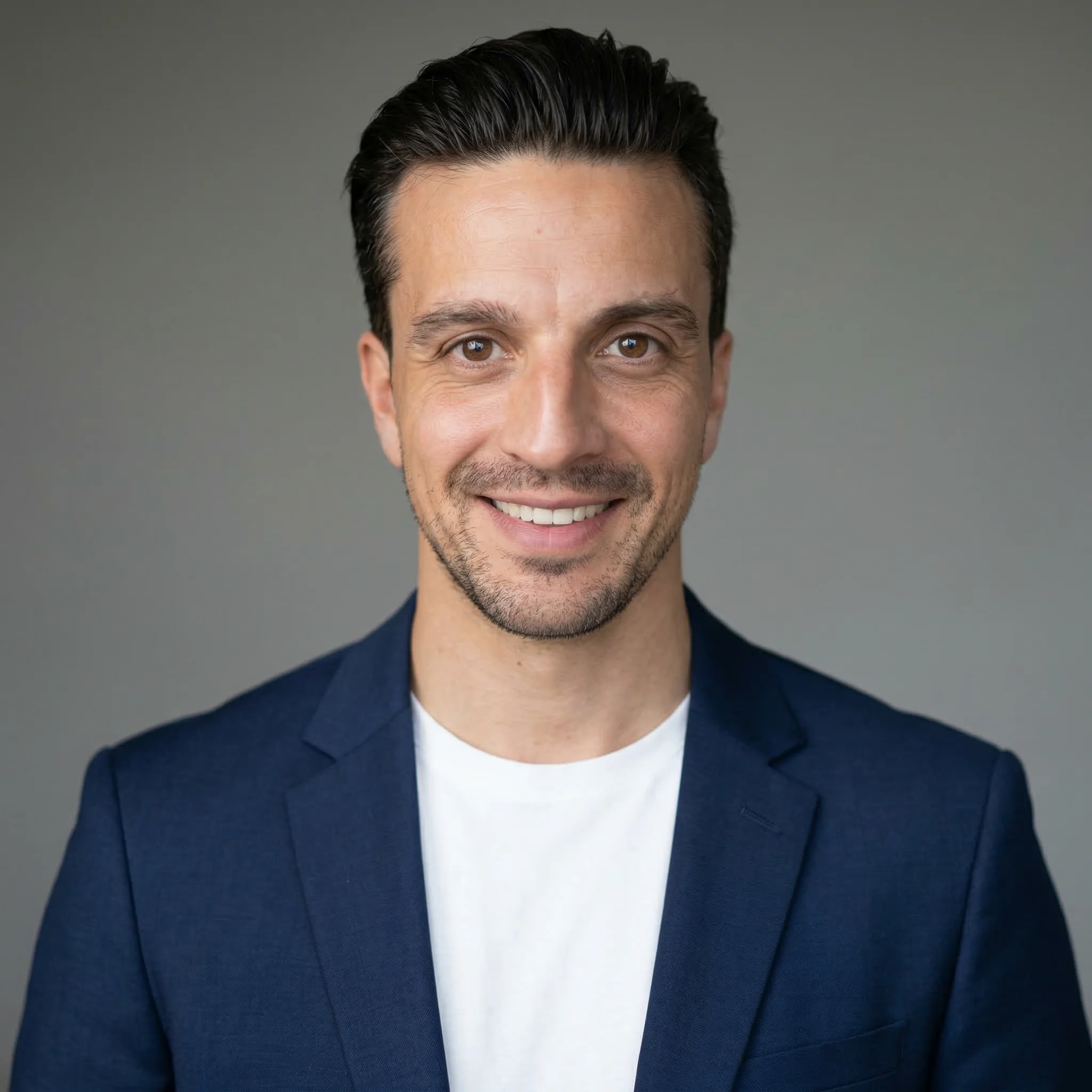
Nicolas GorroñoFounder & Editor
Founder of Patagonia Properties. Grew up in Coyhaique, lived in Australia, and is now back in Patagonia full-time. SEO and digital marketing specialist.
LinkedIn