Driving Around Lago General Carrera: What Nobody Tells You
The road that changes everything
There are road trips, and then there is driving around Lago General Carrera. This is the kind of route that makes you pull over every twenty minutes because you genuinely cannot believe what you are looking at. The lake itself is one of the largest in South America, shared between Chile and Argentina, and the turquoise color of the water is so vivid it almost looks photoshopped. It is not.
The route follows Ruta 7, Chile’s legendary Carretera Austral, which threads its way south through Patagonia in a way that still feels like a minor miracle of engineering. From Coyhaique or the Balmaceda airport, you are looking at roughly 350 kilometers to Chile Chico, the last major Chilean town before the road either meets the ferry crossing or the border into Argentina. What sounds like a straightforward drive is anything but, and that is exactly what makes it one of the most memorable trips you can do in this part of the world.
This guide is built from personal experience driving this stretch more times than I can count, and it covers the things you actually need to know, not the things that look good on a brochure.
What to expect from the road
Ruta 7 is paved and in reasonably good condition from Coyhaique all the way to Villa Cerro Castillo, around 100 kilometers south of the city. After that, the pavement ends and you are on ripio, which is the local word for gravel roads. These roads are not impassable, but they demand your full attention. They are often narrow, they wind constantly, and the surface can shift dramatically depending on recent weather or road maintenance schedules.
A few non-negotiables for this stretch:
- 4x4 is always recommended. A standard sedan can technically manage some of this road in ideal conditions, but you are taking a real risk. Ground clearance matters, traction matters, and confidence in the vehicle matters when you are navigating a tight curve with a cliff on one side and nothing but air on the other.
- Bring a spare tire, and know how to change it. Punctures on ripio roads are extremely common. The sharp gravel edges are ruthless on tires. Many people bring two spares for longer trips. This is not paranoia, it is experience.
- Drive in the mornings. This is particularly important in summer. When the sun hits the dust being kicked up by passing vehicles, you can end up with near-zero visibility at exactly the moments you need to see clearly around a blind bend. Add to that the steady stream of cyclists (the Carretera Austral is one of the world’s great cycling routes), motorbike tourers, and the occasional loose cow that has decided the road is a perfectly good place to stand, and the mornings genuinely are the better call. By mid-afternoon in peak season, conditions can get genuinely dangerous.
Keep your eyes open (but only if you are the passenger)
The stretch from Coyhaique to Cerro Castillo is beautiful enough on its own terms before you even reach the lake. The Andean foothills roll out on either side, the skies are enormous, and if you know what to look for, the wildlife is remarkable.
Pudus (the world’s smallest deer, native to this part of Chile) occasionally dart across the road, especially in the early morning hours. Condors are a genuine possibility, particularly around rocky outcroppings and higher altitude sections. The catch is that spotting these things while also navigating ripio curves is not really advisable. This is firmly a co-pilot activity. The driver watches the road. Everyone else watches everything else.
Fuel stops: your lifelines on the route
This cannot be understated. Fuel planning on this route is serious business. The Copec stations scattered along the Carretera Austral are not just petrol stops, they are genuine outposts of civilization. You can fill up the tank, grab water and snacks, and get a completo (Chile’s version of a hotdog, and an unexpectedly good one at that).
On the run from Coyhaique toward Chile Chico, there are two main Copec stations to know:
- Cerro Castillo (approximately 97 km from Coyhaique): The first reliable fuel stop after leaving the city. Fill up here regardless of how much you have left in the tank.
- Puerto Tranquilo (approximately 220 km from Coyhaique): The second main stop, and another place to top up without hesitation.
My personal approach is to fill up at both, every single time. The road between them and beyond can be affected by landslides, unexpected closures, or just the general unpredictability of Patagonian weather. Getting stuck south of Puerto Tranquilo with a low tank and a closed road is the kind of situation that is very avoidable with a bit of forethought.
Winter driving: a different animal entirely
If you are visiting between roughly April and November, the calculus changes significantly. This stretch of Patagonia can get serious snowfall, and by the time you reach Cerro Castillo (which sits at a slightly higher altitude than Coyhaique), you may already be dealing with icy or snow-covered roads.
A 4x4 remains essential, but so do snow chains. Not as a precaution, as a practical necessity. There will be days when you simply cannot proceed without them. The Cerro Castillo National Park area is one of the first places snowfall arrives, and the road conditions there can look very different from what you left behind in Coyhaique an hour earlier.
The upside of a winter trip is that the crowds disappear, the landscape takes on a completely different quality, and the lake is stunning under grey skies in a way that photographs honestly cannot capture. It just requires more preparation.
The stops worth making
Cerro Castillo: the start of something special
Cerro Castillo is not just a fuel stop. It sits at the foot of a dramatic national park of the same name, with jagged basalt spires that look like something from a fantasy novel. If you have a day to spare, the trekking here is world-class and far less crowded than Torres del Paine. Even if you are just passing through, the village itself is a pleasant place to stretch your legs and get a sense of the scale of what lies further south.
Puerto Tranquilo: the Marble Caves
Puerto Tranquilo exists, for most visitors, as the gateway to the Cuevas de Marmol (Marble Caves). These are extraordinary formations of calcium carbonate that jut out of the lake itself, and the way the turquoise water reflects up into the cave walls has to be seen in person to be understood. You get there by boat, and the trip takes around an hour depending on which tour you take.
This is worth building proper time into your itinerary for. Do not treat it as a quick detour. Stay the night in Puerto Tranquilo if you can, and book the cave tour for the morning when the light and the water conditions tend to be best. The area around Puerto Rio Tranquilo is also attracting property buyers: there are currently 8 listings available, including land plots starting at around UF 1,000 and lakefront terrenos.
Puerto Guadal: the pearl of the lake
Just past Puerto Tranquilo, the road swings around the lake toward Puerto Guadal, and this is my personal favourite stop on the entire route. The locals call it “la Perla del Lago” (the Pearl of the Lake), which sounds like the kind of thing locals say about every small town, except in this case they are right.
Puerto Guadal is tiny, unhurried, and has some of the best views across the entire lake of anywhere on the circuit. The approach to the town as you come around a bend and the water opens up in front of you is one of those proper arrival moments.
If you can, book ahead at Terra Luna Lodge. The lodge sits just outside the town with uninterrupted lake views, and offers a combination of cabins and geodesic domes that are genuinely special. It is the kind of place that makes you want to extend your trip by a day or two, which you should probably allow yourself to do. The rest of the drive to Chile Chico will still be there in the morning.
Chile Chico: the end of the road (and the beginning of the decision)
Chile Chico is where the route comes to its natural inflection point. The town is a legitimate destination in its own right, with a surprisingly pleasant microclimate (it gets more sun than almost anywhere else in Patagonia) and a relaxed pace that rewards a night or two of proper rest after the hours of winding road you have just put in.
But the real reason Chile Chico matters is the decision it forces on you.
Option one: take the ferry to Puerto Ibanez. Naviera Austral operates the crossing across Lago General Carrera to Puerto Ibanez, which cuts the driving time to Coyhaique dramatically compared to going back the way you came. The crossing takes around two hours and runs on a schedule that you should check and book in advance, particularly in high season. It is a genuinely beautiful crossing in its own right.
Option two: cross into Argentina. Chile Chico sits right on the border, and crossing into Argentina at this point opens up a completely different leg of the journey: the Patagonian steppe, Perito Moreno, and the Argentine lake district. This is a bigger decision that requires more planning, but if you have the time and the paperwork sorted, it is one of the great Patagonian journeys.
Either way, you are not just ending a road trip. You are making a choice about what kind of traveller you want to be on the next leg. And really, both options are the right answer.
The real estate market around the lake
Many visitors who complete this circuit come back with the same question: can you actually buy property here? The short answer is yes, and the market is more active than most people expect.
There are currently over 88 properties for sale across the three main towns on the Lago General Carrera circuit. Puerto Guadal leads with 36 listings, followed by Chile Chico with 44 and Puerto Rio Tranquilo with 8. The range spans from small land plots of 5,000 square meters starting at around UF 1,000 to sprawling ranches of over 1,000 hectares priced above UF 40,000.
For those looking at more accessible options, parcelas in Puerto Guadal start from UF 1,380 (approximately 2.5 hectares), while lakefront terrenos near Puerto Rio Tranquilo begin at UF 1,200. Chile Chico offers parcelas from UF 2,933 and cattle ranches from UF 15,620 for 600 hectares.
What makes this corridor unique is the combination of Carretera Austral access, proximity to the lake, and landscapes that need no filters. Prices remain a fraction of what comparable properties cost in Chile’s Lake District or Argentine Patagonia, though the trend is clearly upward as connectivity improves and tourism grows.
Frequently asked questions
Do you need a 4x4 to drive around Lago General Carrera?
It is highly recommended. From Villa Cerro Castillo south, the road is gravel with narrow stretches, tight curves, and uneven surfaces. A sedan can manage in ideal summer conditions, but ground clearance and traction are critical factors, especially after rain.
How long does it take to drive from Coyhaique to Chile Chico?
The 350-kilometer journey takes between 5 and 7 hours depending on road conditions, stops, and the season. In winter it can take considerably longer. Splitting the trip over two days with an overnight in Puerto Guadal or Puerto Tranquilo is recommended.
Is fuel available along the entire route?
Not continuously. The two main fuel stations are at Cerro Castillo (km 97) and Puerto Tranquilo (km 220). Fill up at both regardless of how much fuel you have left. Between these stations and beyond toward Chile Chico, there are no reliable options.
What is the best time of year for this road trip?
December through March offers the best conditions: longer days, dry roads, and all tourist services operating. October and November are good months with fewer tourists, though the weather is less predictable. April through September the trip is possible but requires snow chains, more driving experience, and additional planning.
Can foreigners buy property around Lago General Carrera?
Yes. There are currently over 88 properties available in Chile Chico, Puerto Guadal, and Puerto Rio Tranquilo. Options range from 5,000 square meter land plots (starting around UF 1,000) to cattle ranches exceeding 1,000 hectares. Foreigners can purchase land in Chile, though properties in the border zone require additional authorization from the Ministry of Defense.
Interested in spending more time in this part of Patagonia? Browse our properties around Lago General Carrera or get in touch to find out what is currently available.
Interested in buying land in Patagonia?
We connect buyers with the best opportunities in Chile's Aysen Region. Tell us what you're looking for and we'll help you find it.
No commitment. Your information is kept confidential.
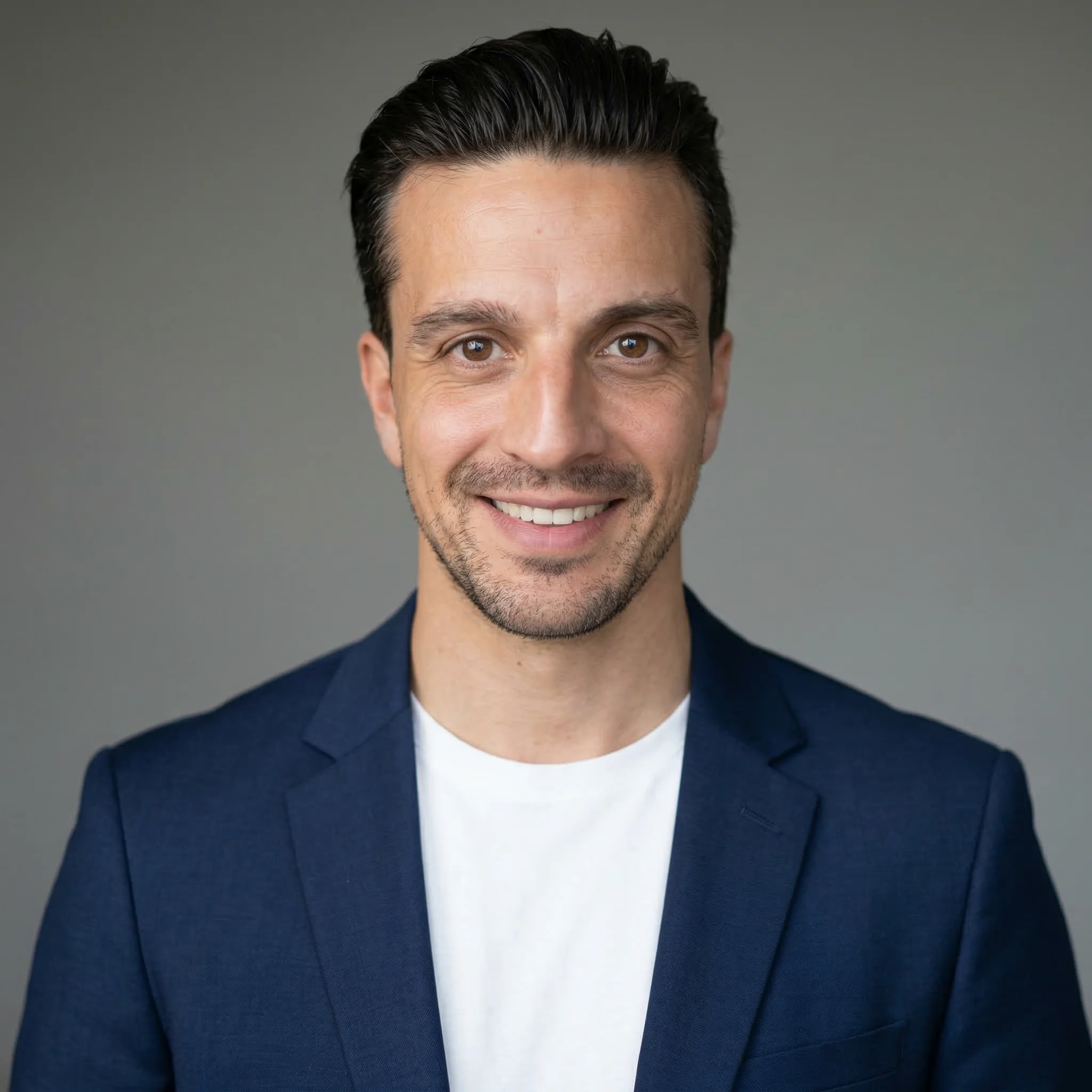
Written by
Nicolas GorroñoFounder & Editor
Founder of Patagonia Properties. Grew up in Coyhaique, lived in Australia, and is now back in Patagonia full-time. SEO and digital marketing specialist.
LinkedIn